

First Time Visiting Ljubljana? These Are the Spots You Can’t Miss

Museums in Ljubljana – Rich History of the Capital
January 30, 2026
Student Life in Ljubljana
February 20, 2026First Time Visiting Ljubljana? These Are the Spots You Can’t Miss
Ljubljana is compact, walkable, and full of character. If you’re visiting for the first time, these iconic spots will give you a great introduction to the city’s history, architecture, and everyday life - without feeling rushed.
Ljubljana Castle
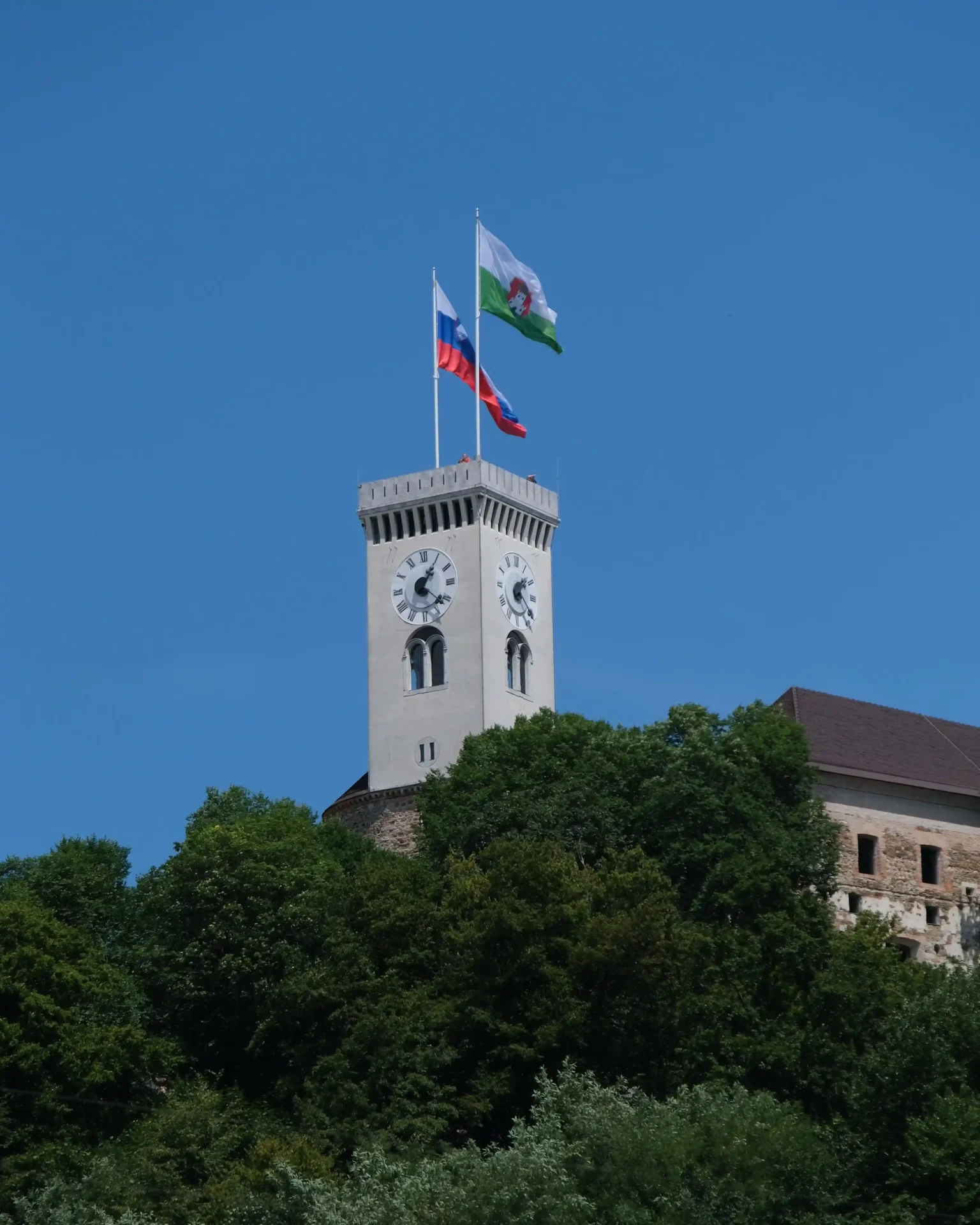
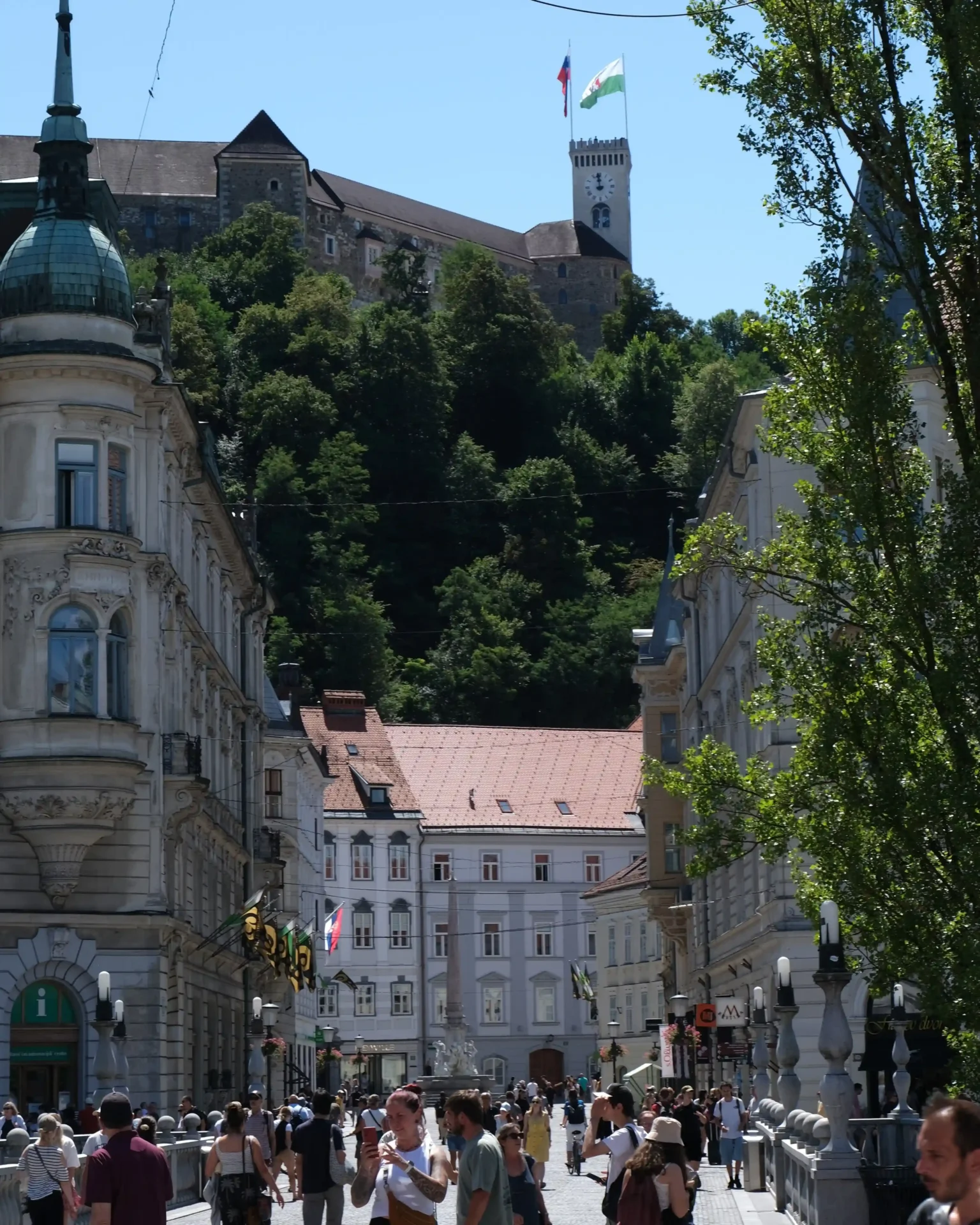
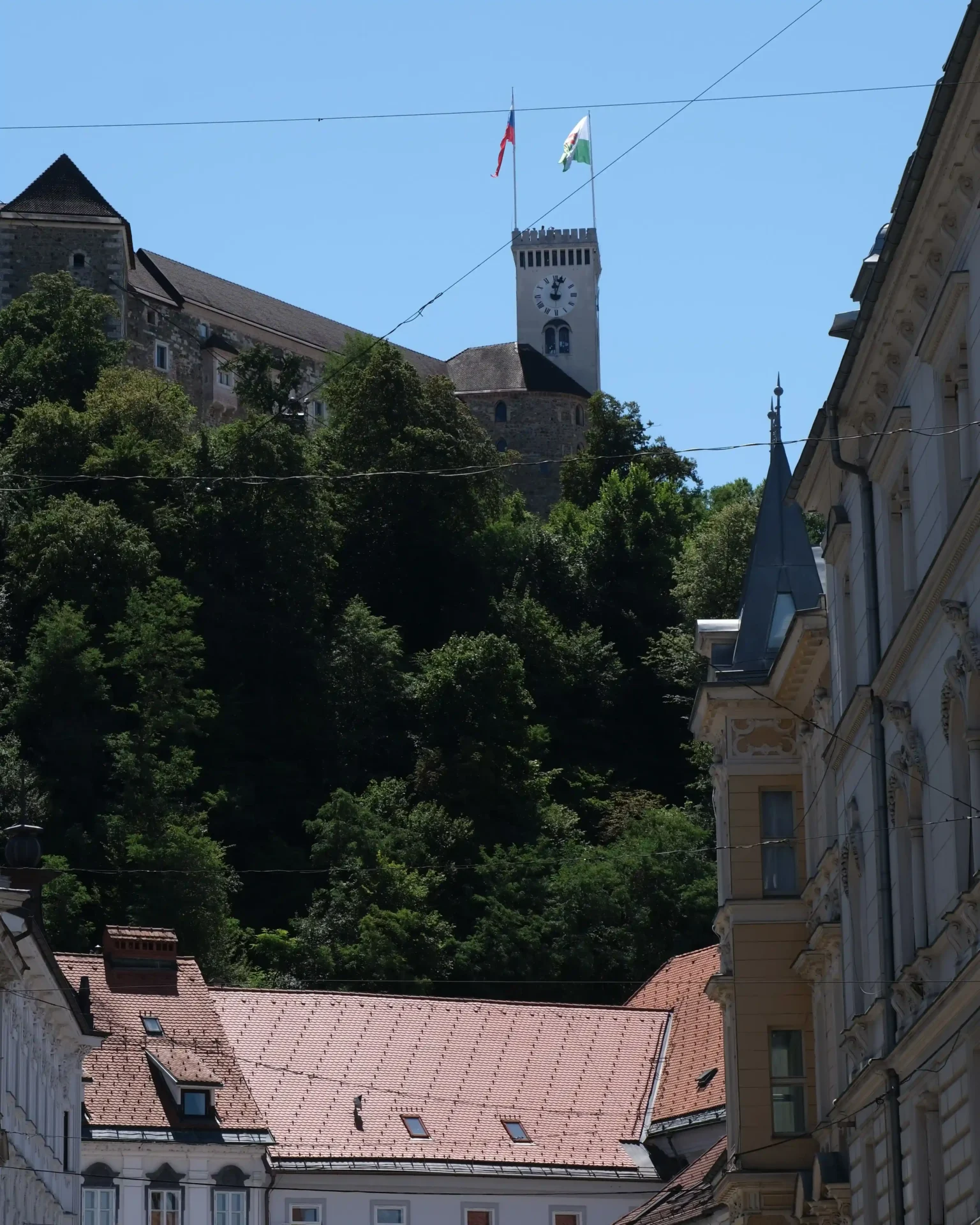
Rising above the city, Ljubljana Castle is one of the most recognizable landmarks and even appears on the city’s coat of arms. The trip up is absolutely worth it.
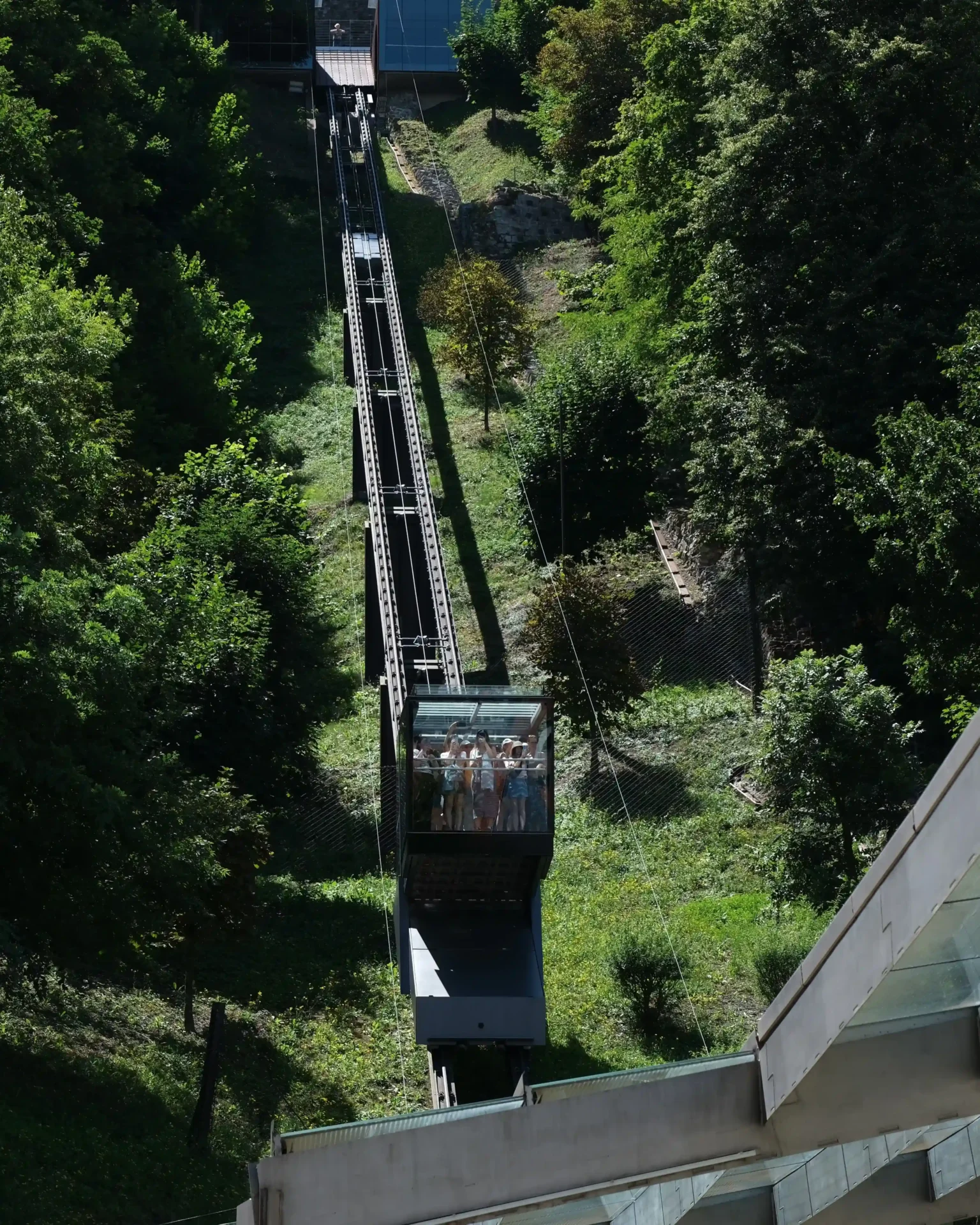
You can take the funicular from near the Puppet Theatre (Lutkovno gledališče) or walk up one of the many forest trails, which takes around 15 minutes. At the top, you can visit the castle museum, attend an interactive Time Machine tour guided by actors, climb the watchtower for one of the best views in the city, or simply enjoy a drink or meal in the unique castle setting.
Prešeren Square & Monument
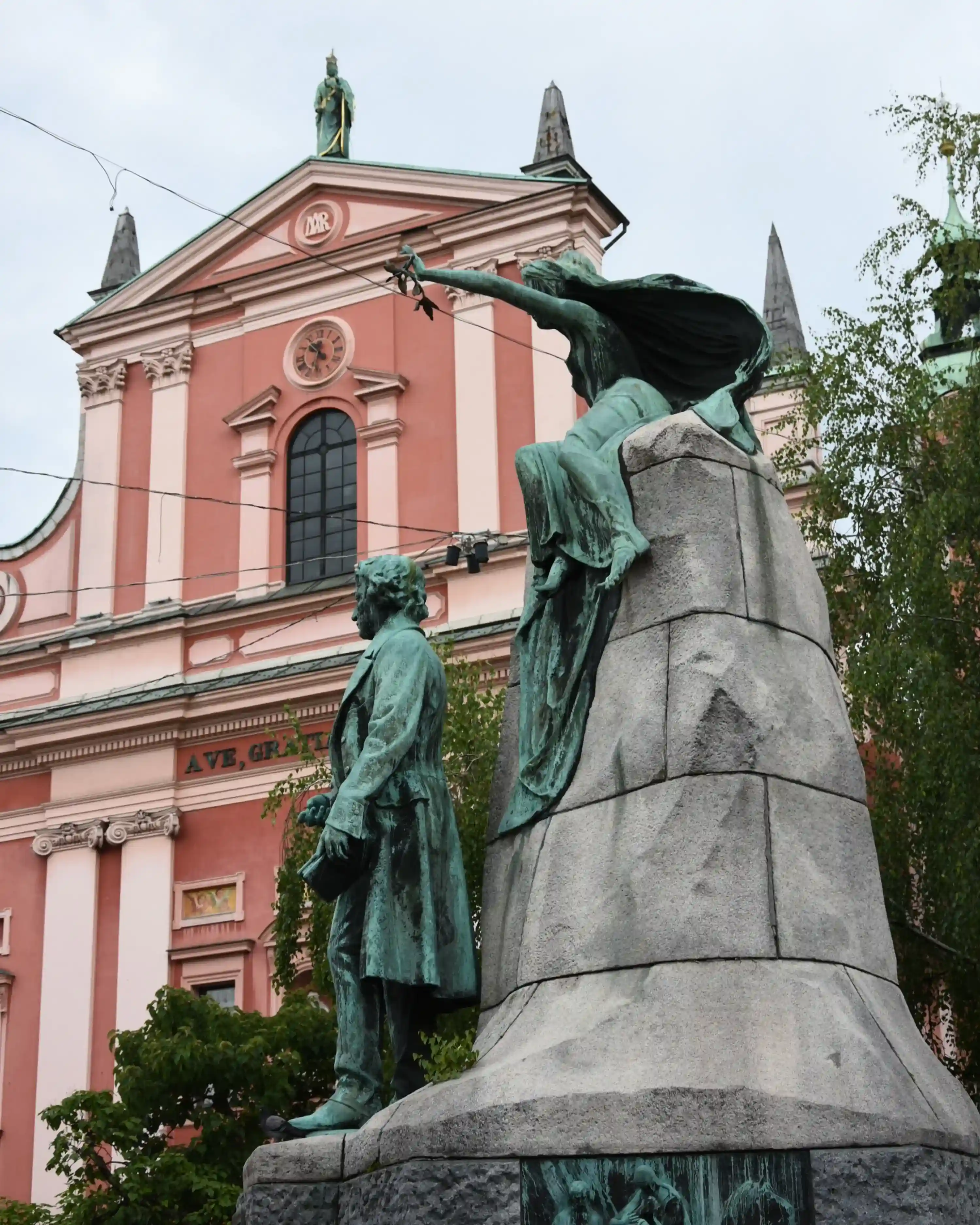
At the heart of Ljubljana lies Prešeren Square, dominated by the monument to France Prešeren, Slovenia’s most important poet and the author of the national anthem Zdravljica (The handwritten lyrics of Zdravljica are engraved into the pavement of nearby Čopova Street). The statue shows Prešeren standing beneath a muse, symbolizing poetic inspiration.
At the base of the monument are two bronze reliefs depicting scenes from his poetry:
- Črtomir and Bogomila from The Baptism at the Savica
- The Fisherman, from the poem Ribič
Fun Facts!
Triple Bridge (Tromostovje)
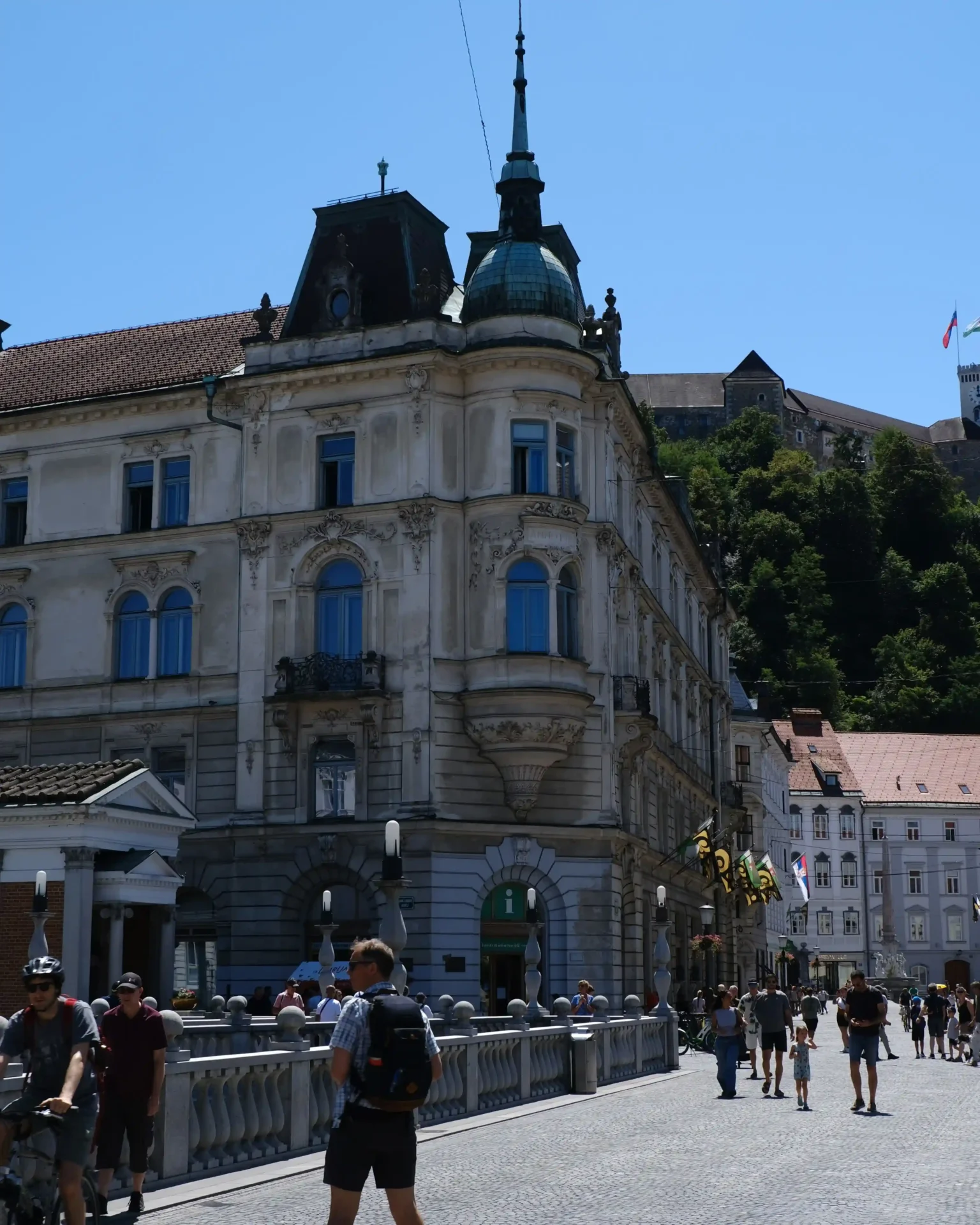
Right by Prešeren Square, you’ll find one of Ljubljana’s most iconic sights: the Triple Bridge. Designed by Jože Plečnik, the city’s most influential architect, it consists of three connected bridges crossing the Ljubljanica River.
Plečnik transformed a 19th-century stone bridge in the 1930s by adding two pedestrian bridges at gentle angles, creating both a functional and visually striking ensemble that perfectly frames views of the old town.
Franciscan Church of the Annunciation
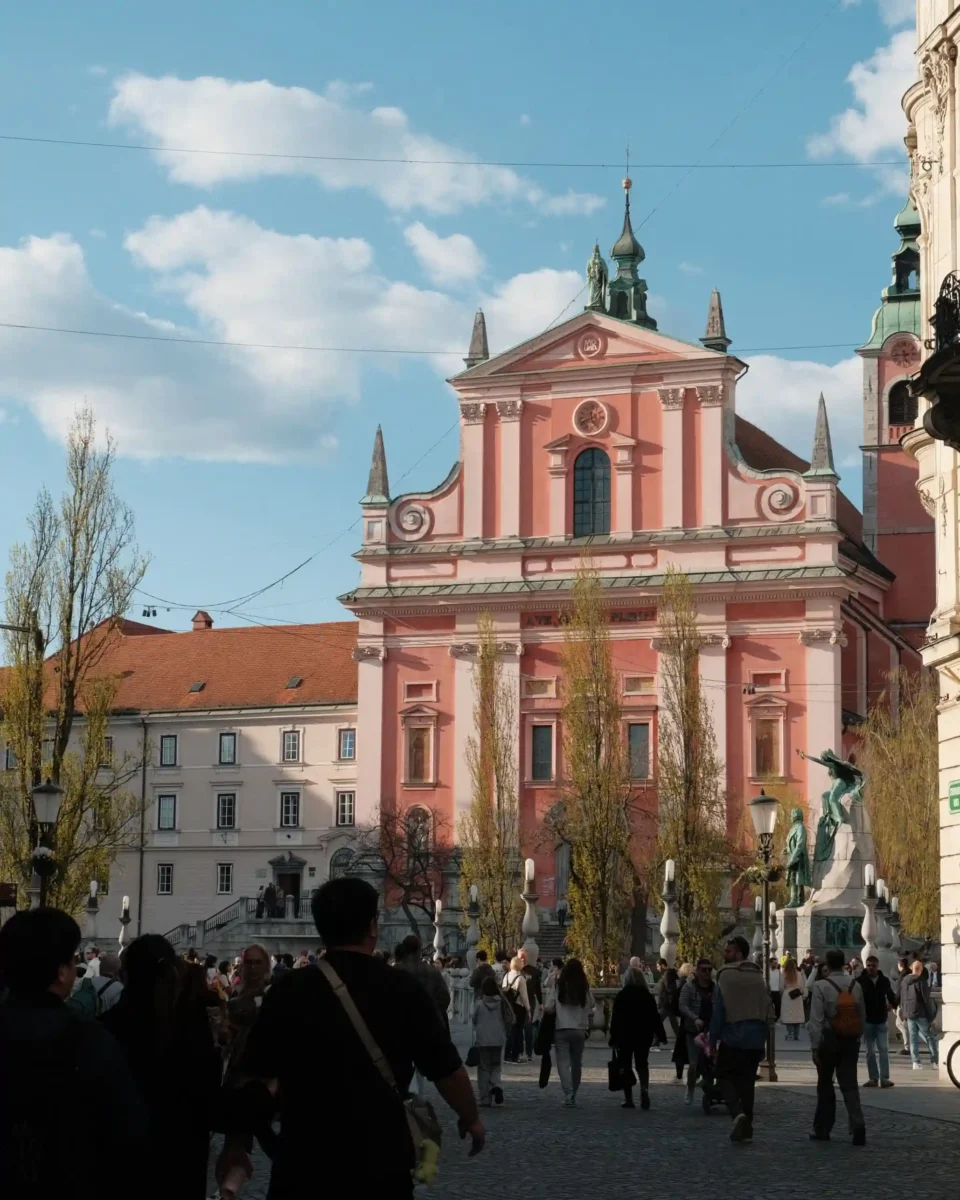
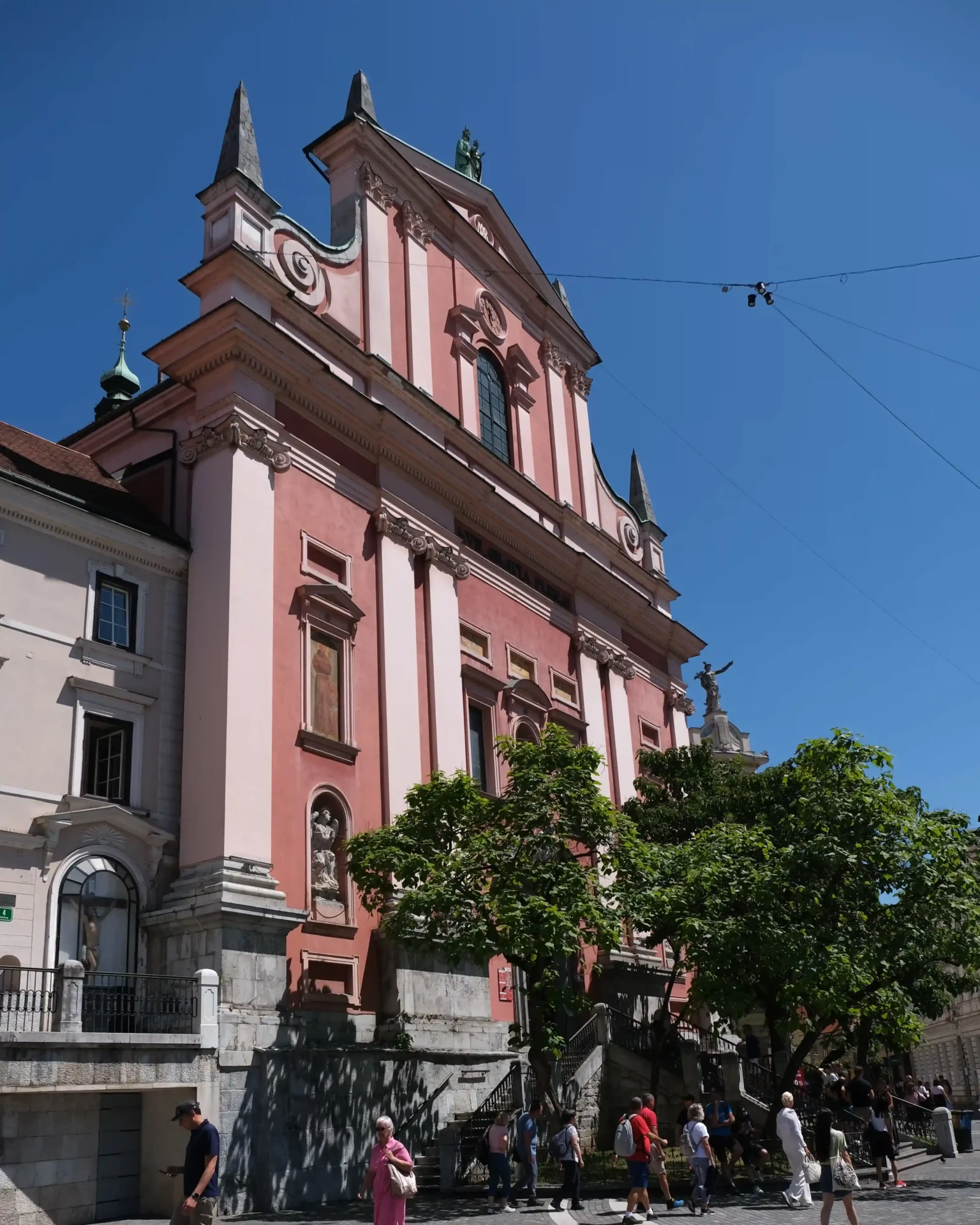
The distinctive pink Franciscan Church of the Annunciation sits prominently on Prešeren Square. Built between 1646 and 1660 on the site of earlier churches, it is today the main parish church of Ljubljana.
If you’re visiting in December, step inside to see the nativity scene - just be mindful of ongoing masses or events.
-
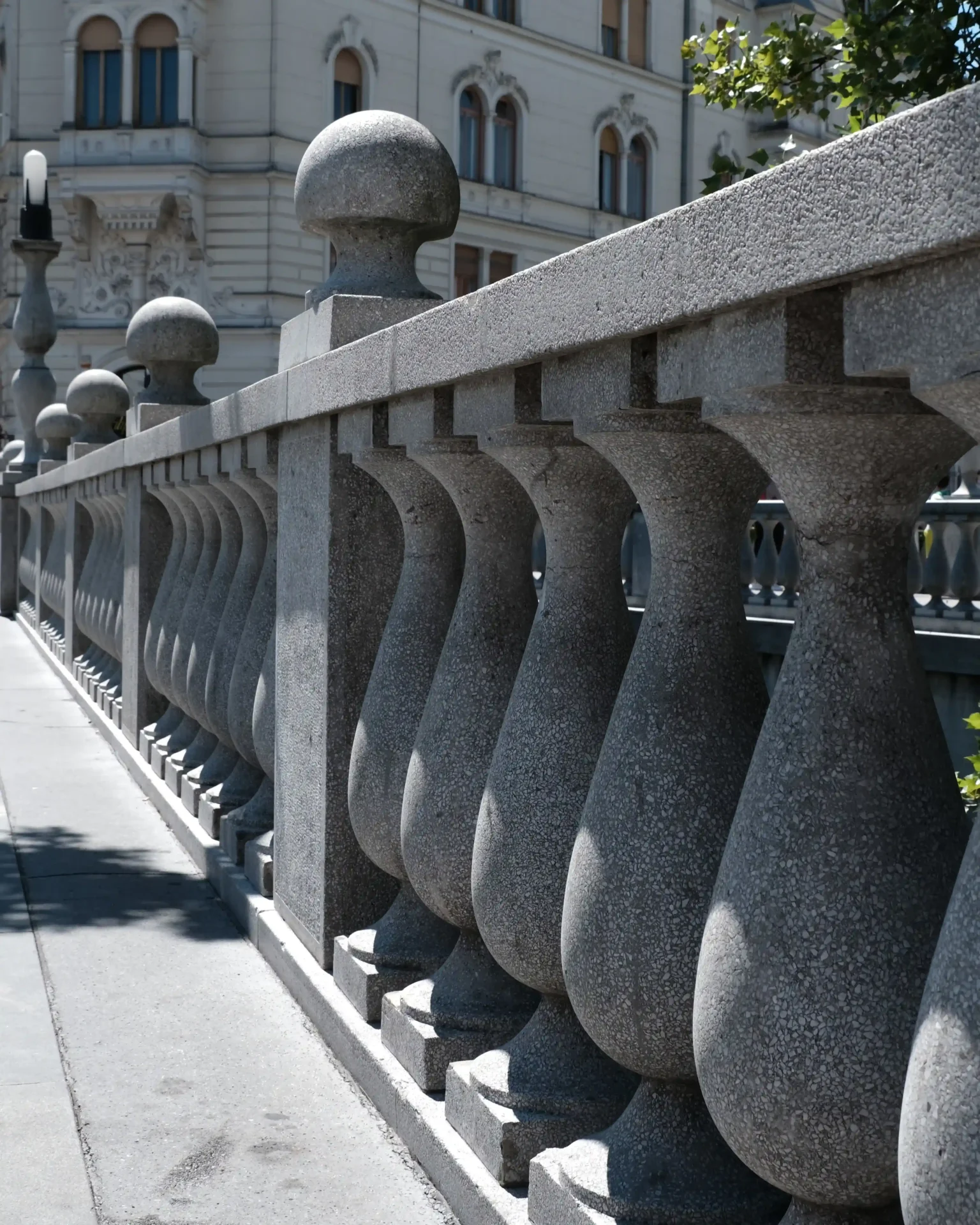
- Details on Tromostovje.
Congress Square & Park Zvezda
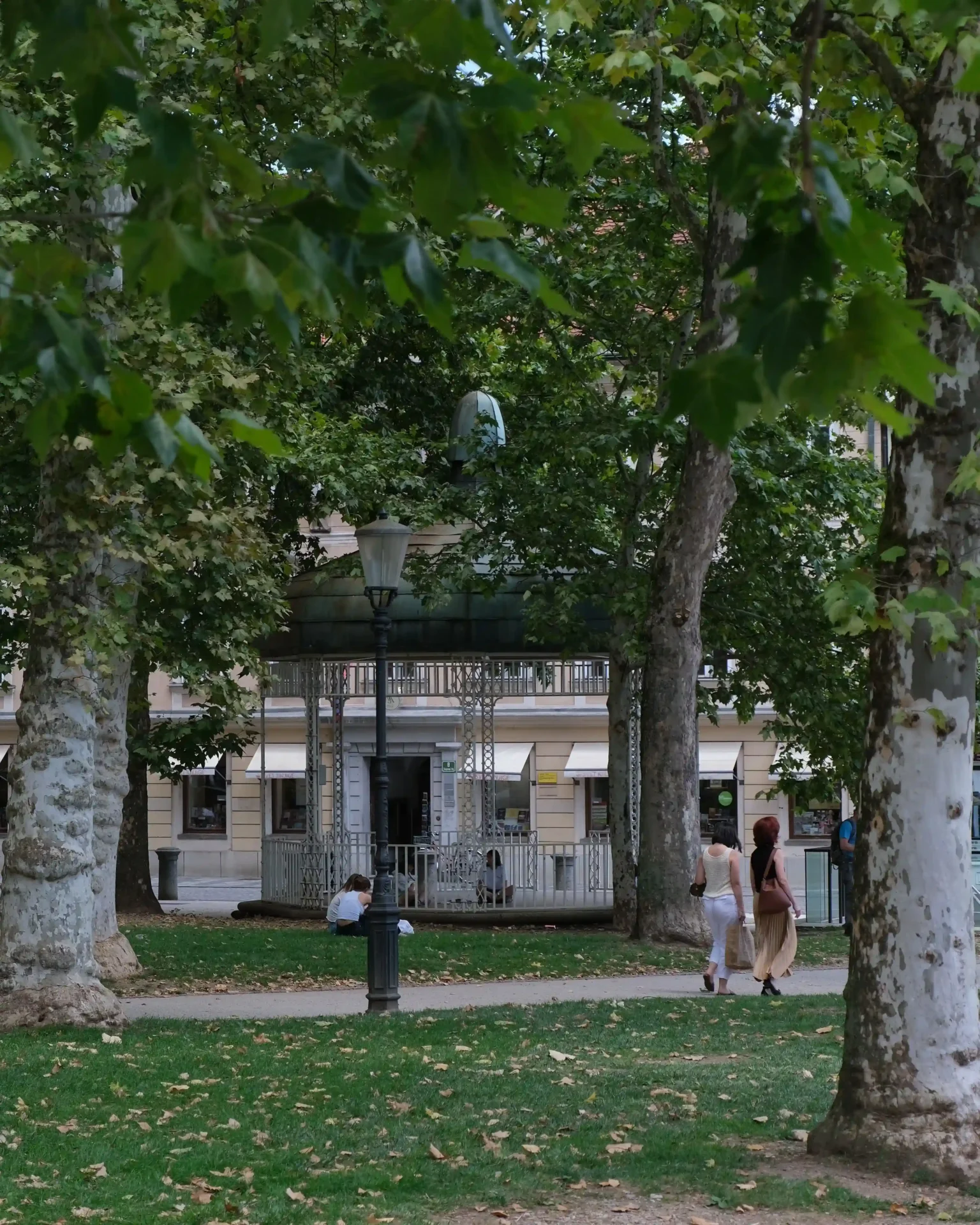
Congress Square (Kongresni trg) is one of Ljubljana’s central squares and part of Plečnik’s UNESCO-listed legacy. Built in 1821 on the ruins of a Capuchin monastery, it hosted the post-Napoleonic Congress of Ljubljana, which gave the square its name.
In the center lies Park Zvezda (Star Park), named after its star-shaped paths. Though the square’s name changed several times during the 20th century, locals always used the original - and it officially returned in 1990.
Republic Square & the Parliament Building
Republic Square (Trg republike) is Ljubljana’s largest open square and a key site in modern Slovenian history. Once a parking lot, it was renovated in 2014 and restored as the city’s main civic space.
The square is home to the National Assembly (Parliament) Building, recognizable by its monumental entrance portal supported by five stone pillars and decorated with sculptural works by artists Karel Putrih and Zdenko Kalin.
Nebotičnik (The Skyscraper)
Opened in 1933, Nebotičnik literally means “skyscraper.” At the time, it was the tallest building in Central Europe and the Balkans before World War II.
Today, it’s best known for its top-floor café and terrace, offering fantastic views over the city center.
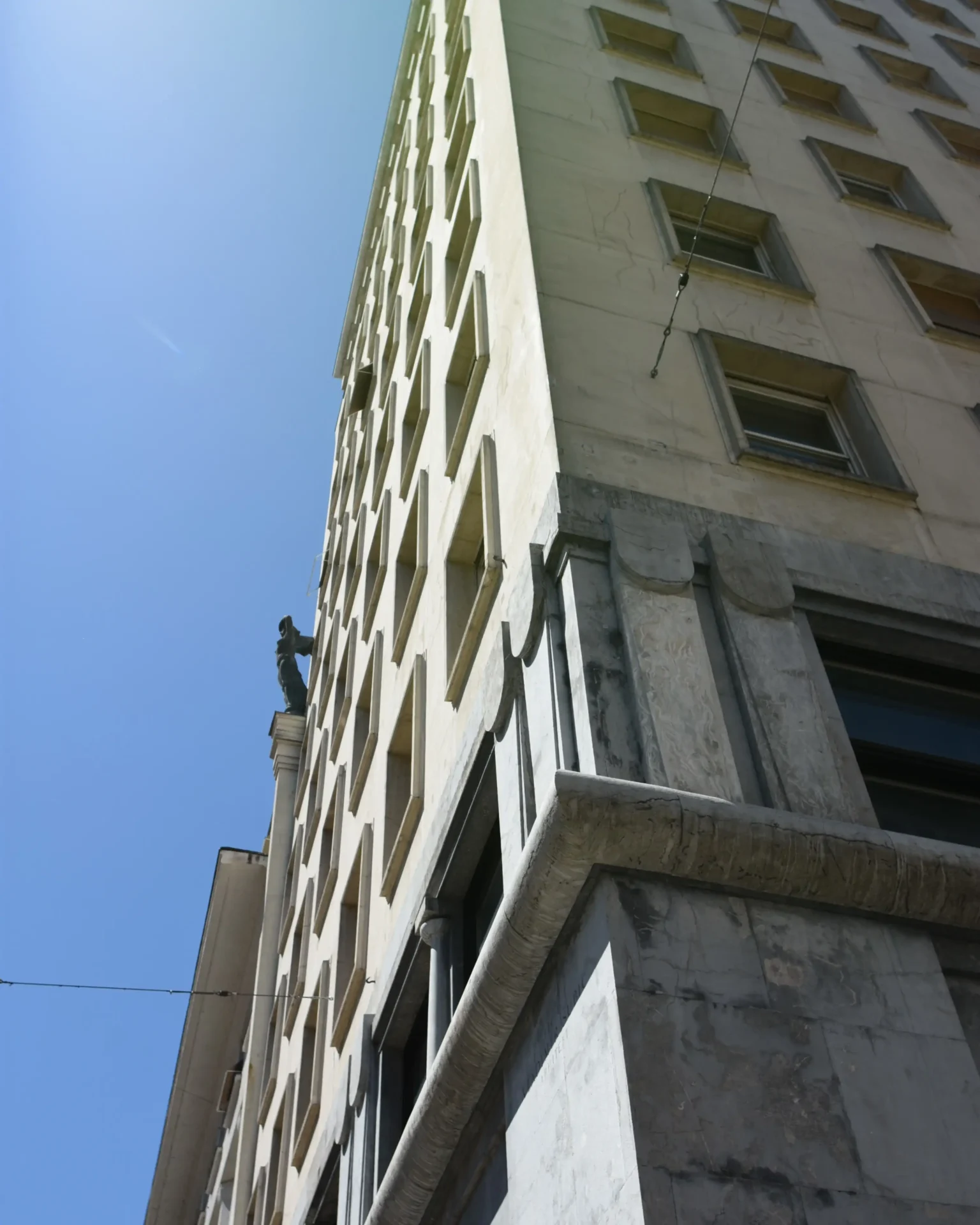
-

- Inside Nebotičnik
-
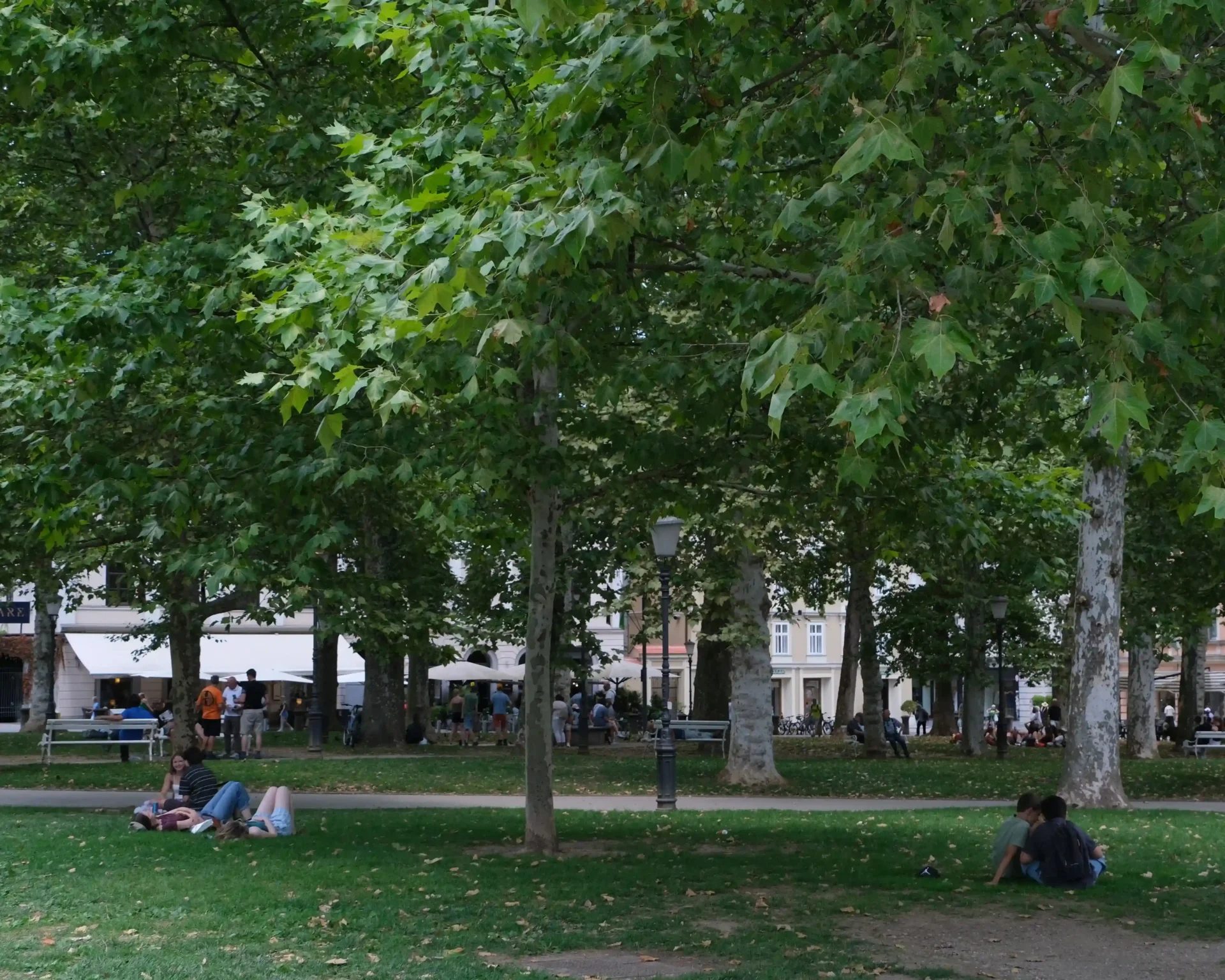
- Park Zvezda
Plečnik’s Ljubljana
Jože Plečnik (1872–1957) shaped Ljubljana like no other architect. From bridges and markets to libraries and riverbanks, his work defines the city’s identity.
Want to know more about Jože plečnik and his work?
Plečnik in Ljubljana
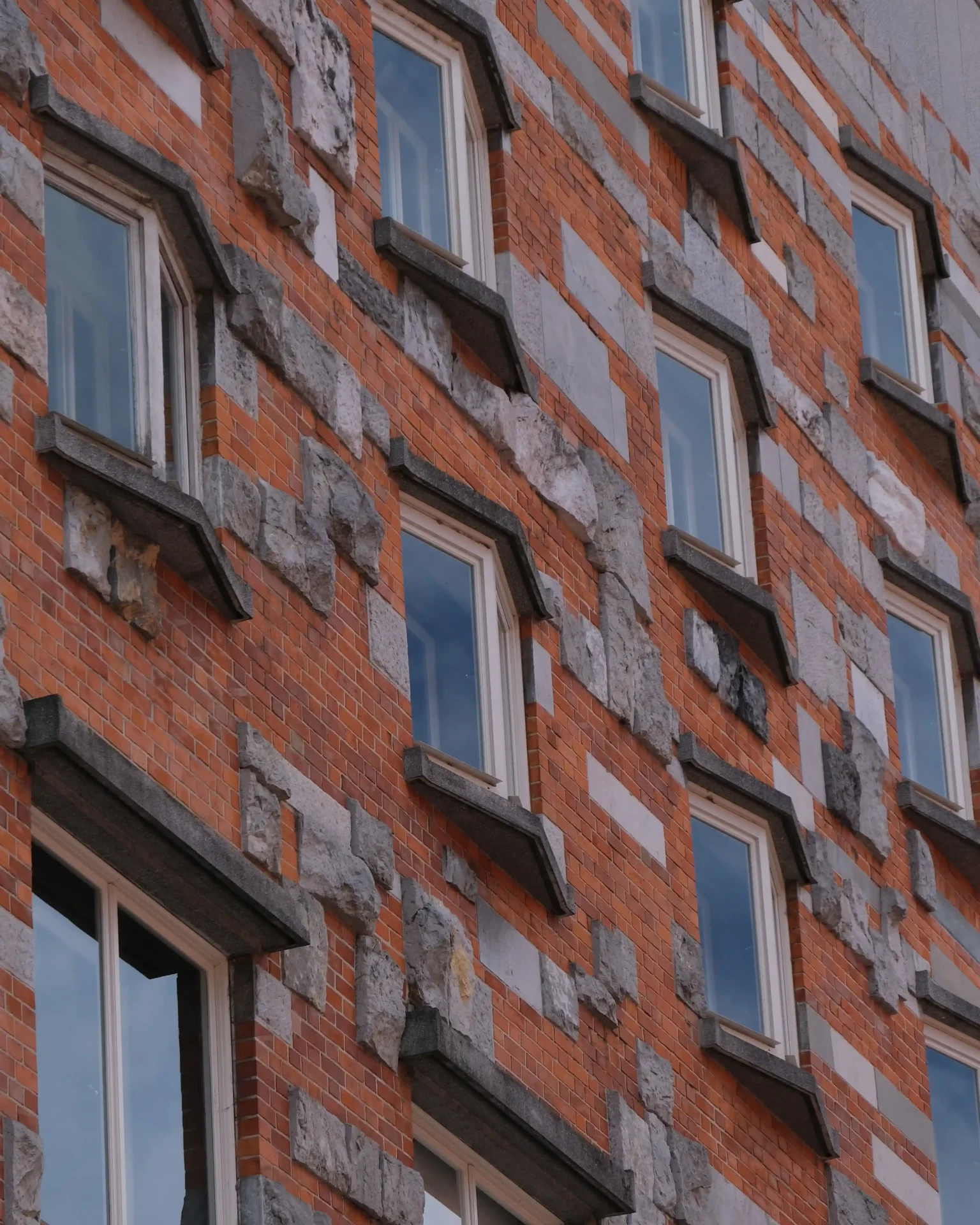
Art Nouveau Ljubljana
After the devastating earthquake of 1895, Ljubljana was rebuilt with support from Vienna, giving architects the chance to showcase the new style of the time: Art Nouveau (Vienna Secession).
Characterized by geometric forms and natural motifs, this period transformed Ljubljana into one of the finest Art Nouveau cities in the region.
👉 Check out the full list of Art Nouveau buildings here.

Central Market
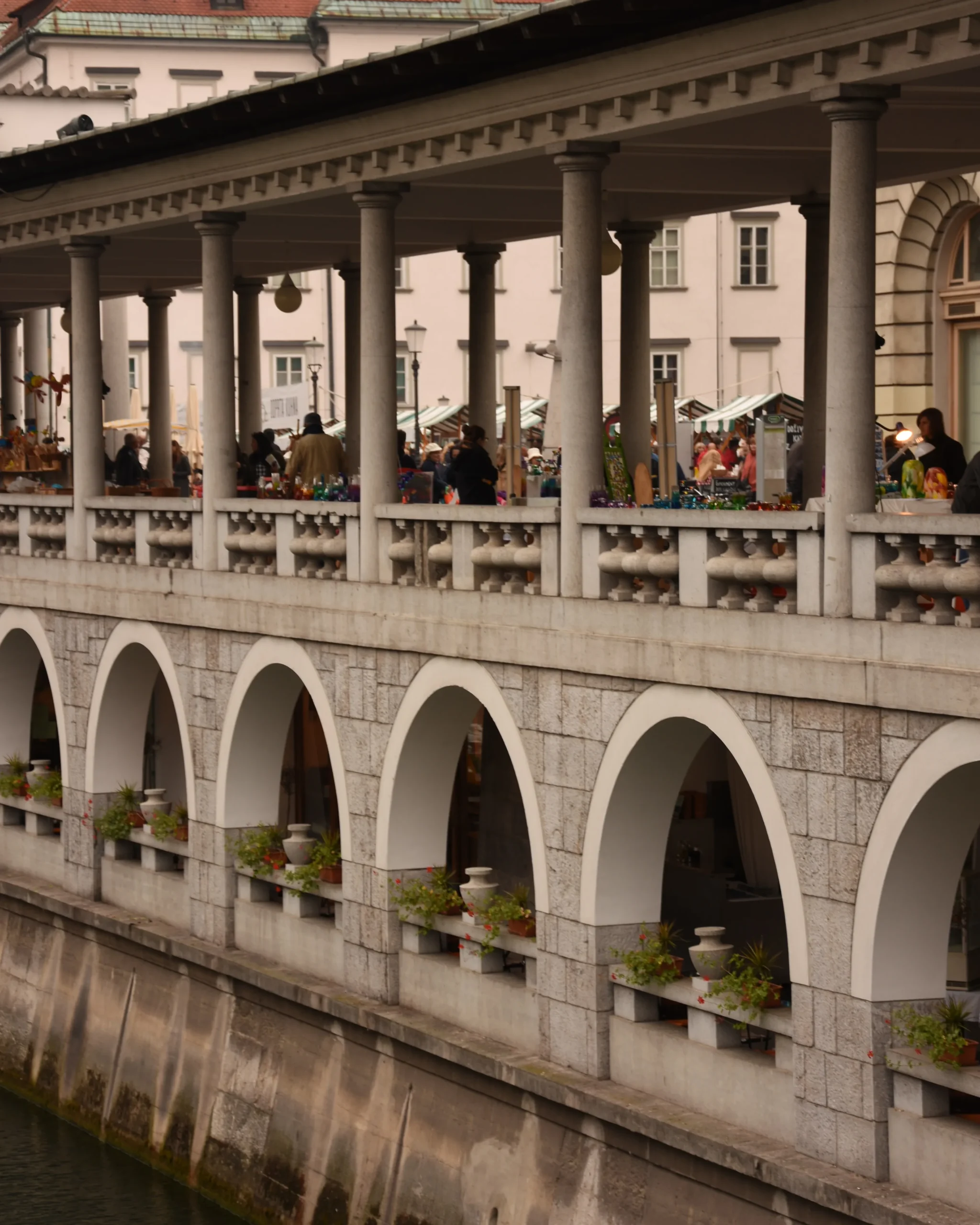
The Central Market, designed by Plečnik between 1931 and 1939, stretches along the river between the Triple Bridge and Dragon Bridge.
It’s the perfect place to experience local life - fresh produce, regional specialties, and lively market atmosphere. The market and Vodnik Square are protected as cultural monuments of national importance.
👉 Check out our guide on what not to miss at the market.
Ljubljana Cathedral (St. Nicholas’ Cathedral)
St. Nicholas’ Cathedral is the main cathedral of Ljubljana and a striking Baroque landmark. While the church was built earlier, its dome was added in 1841.
Inside, admire frescoes by Giulio Quaglio and Matej Langus, and don’t miss the Slovenian Doors, featuring detailed reliefs that depict Slovenia’s history - from ancient civilizations to modern times.
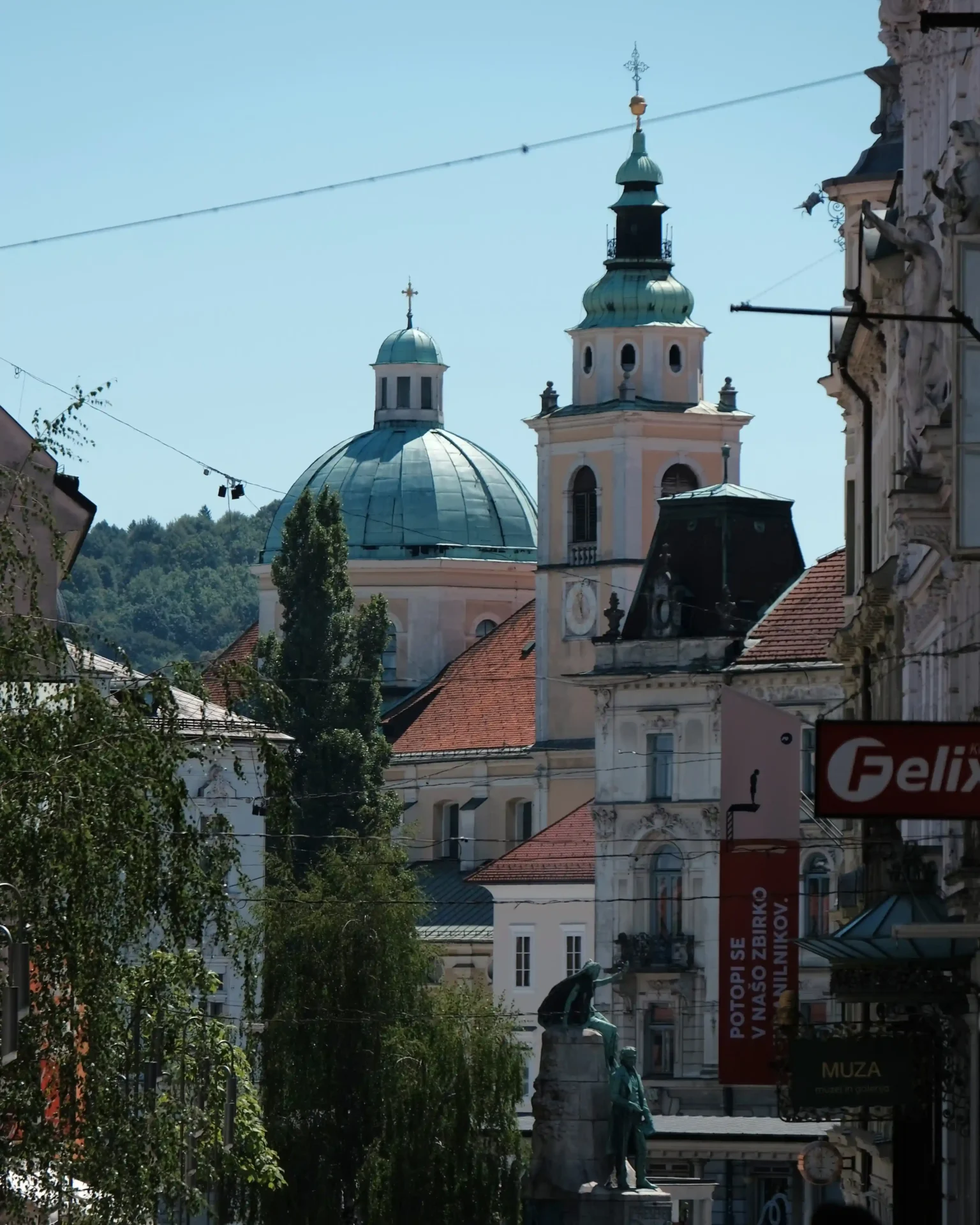

Ljubljanica Riverbanks
A walk along the Ljubljanica River is a must. Stroll through the Old Town, stop at riverside cafés and restaurants, and soak in the lively yet relaxed atmosphere that defines Ljubljana.
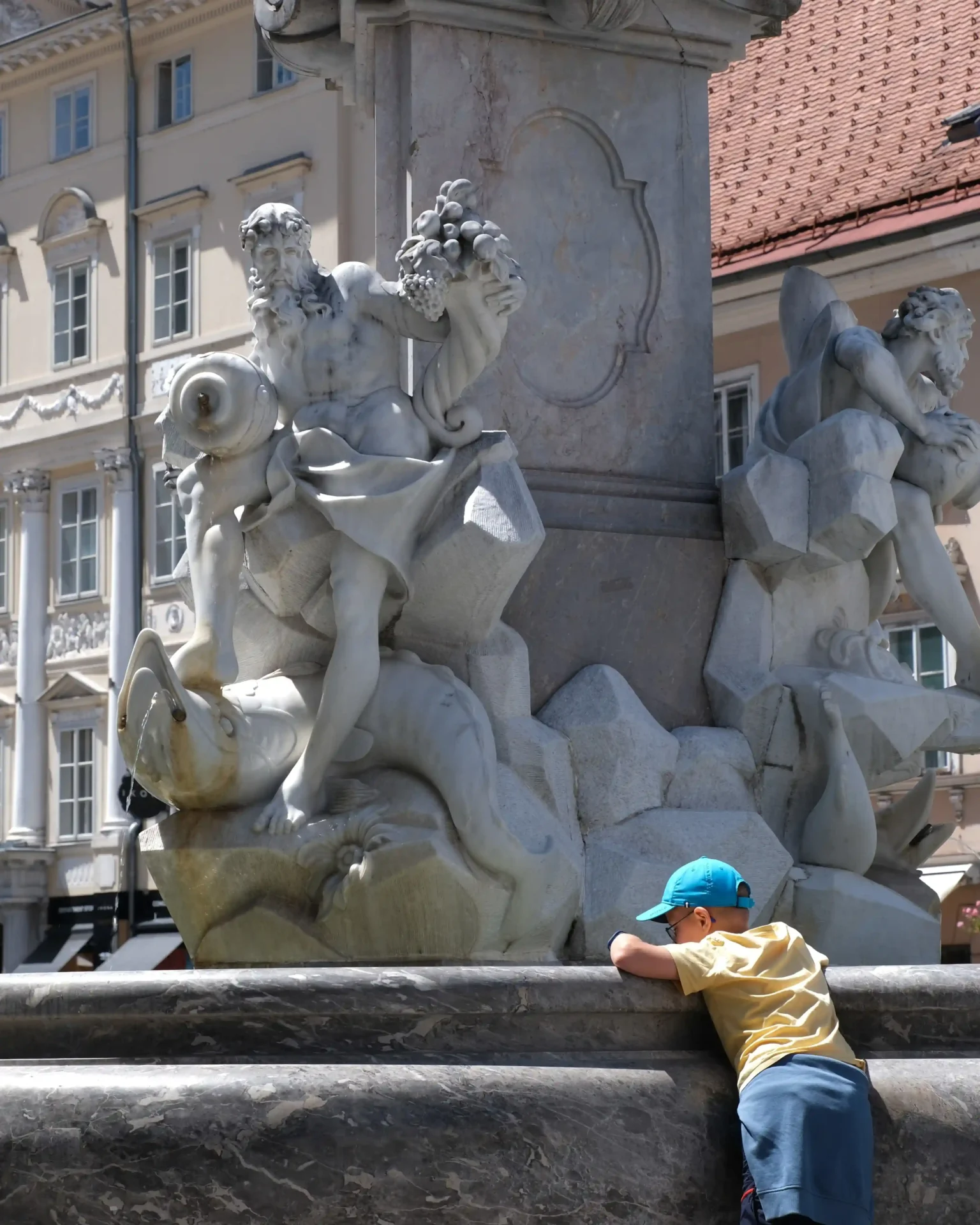
Robba Fountain
The Robba Fountain, also known as the Fountain of the Three Carniolan Rivers, stands in front of Ljubljana Town Hall in Town Square. Created in 1751 by Italian sculptor Francesco Robba, it is one of Ljubljana’s most recognizable symbols.
Fun Fact!
The fountain in front of the town hall is actually a copy. The original can be seen in the National Gallery.
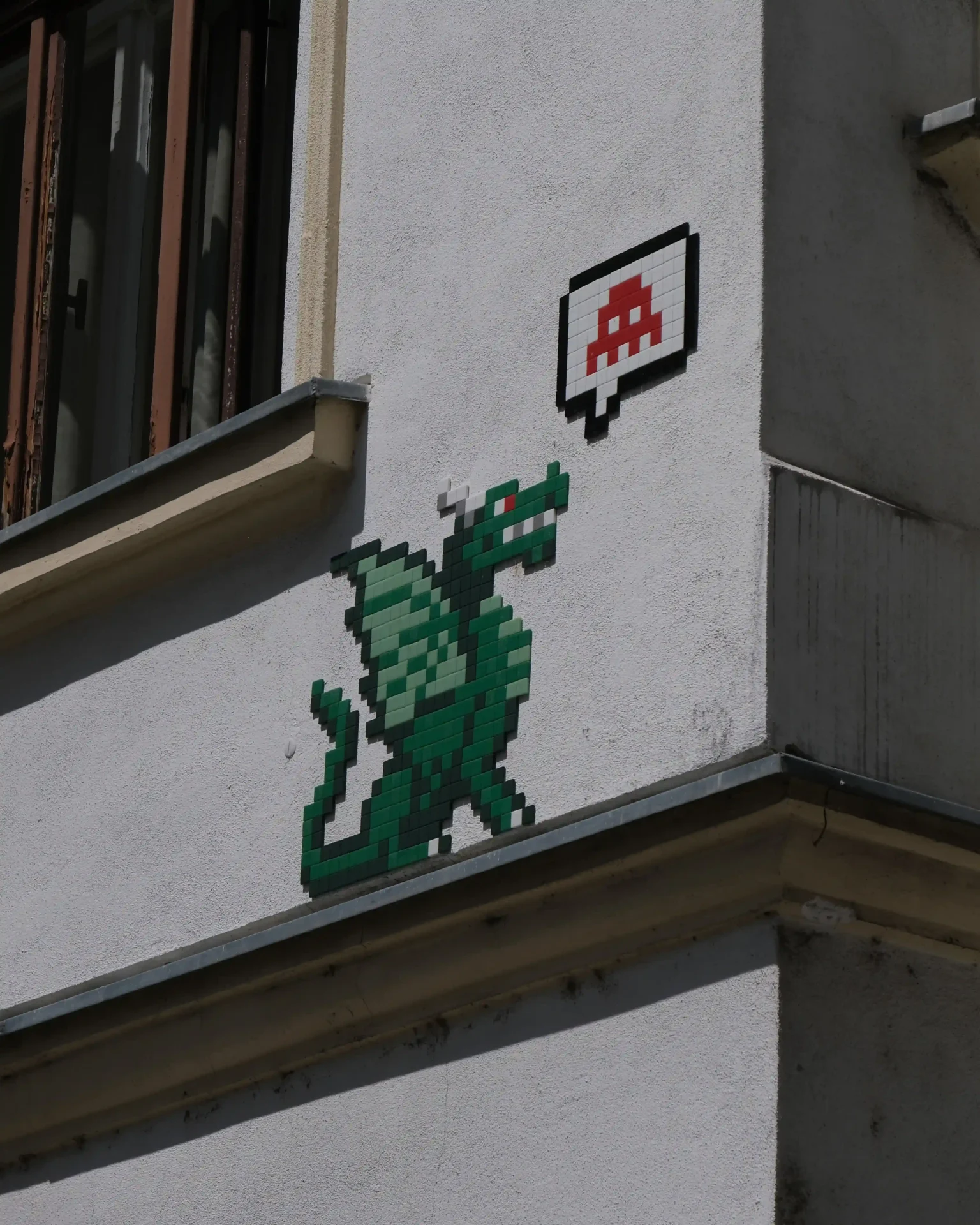
Dragon Bridge
The Dragon Bridge is one of Ljubljana’s most famous landmarks, adorned with striking dragon statues that have become powerful symbols of the city. Dragons appear throughout Ljubljana, representing strength, courage, and protection, and are closely linked to the city’s legends and identity. They are also an instantly recognizable emblem of Ljubljana and a source of local pride.
Špica & Trnovski Pristan
Once a river port, Špica is now a popular riverside hangout, especially in warmer months. Nearby Trnovski Pristan offers a quieter, more local vibe - perfect for a sunset walk.
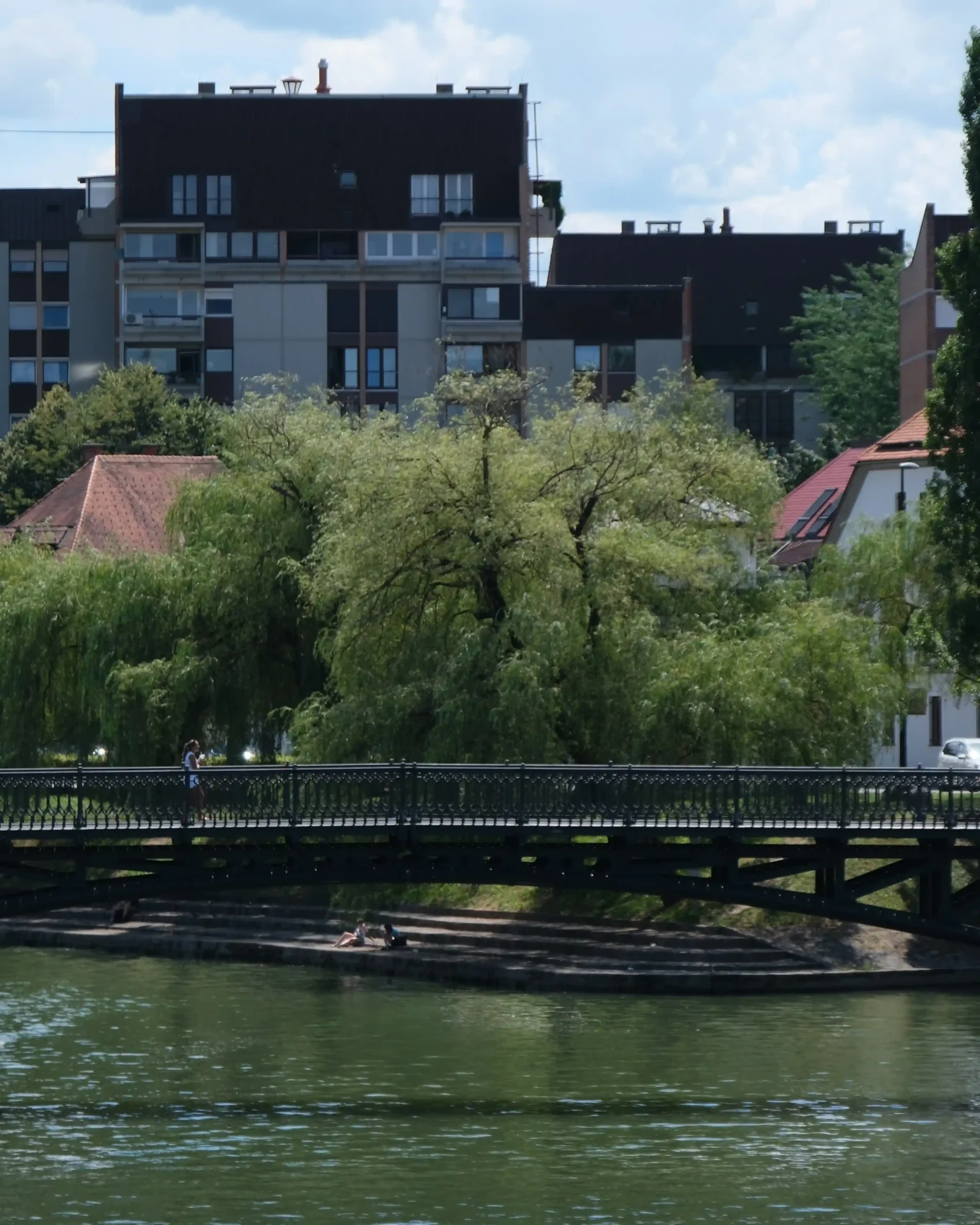
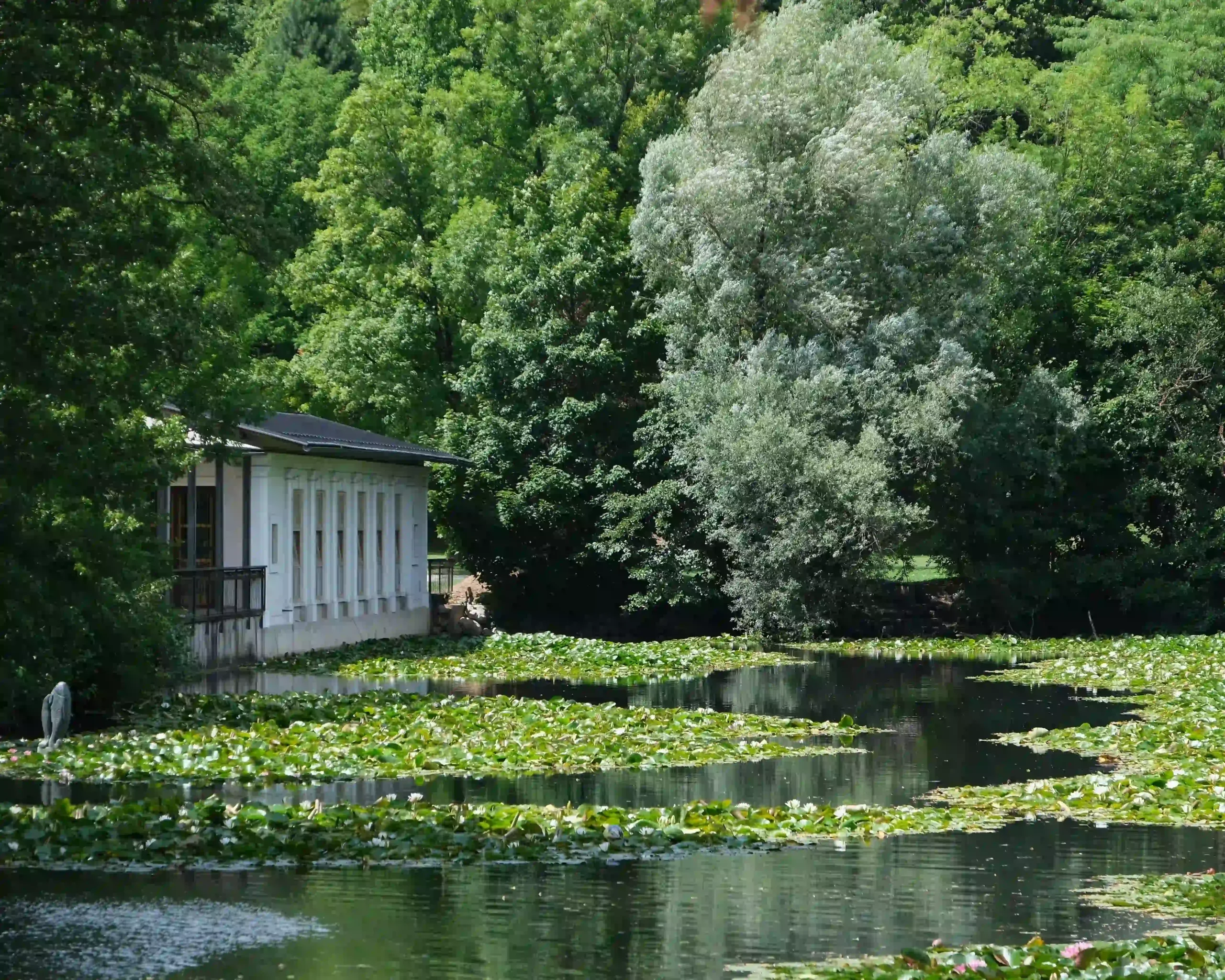
Tivoli Park & Rožnik Hill
Ljubljana is one of Europe’s greenest capitals. Tivoli Park and Rožnik Hill offer easy access to nature, walking trails, viewpoints, and peaceful escapes just minutes from the city center.
-

- Rožnik Church
-

- Library Under the Treetops Tivoli
Metelkova
For something completely different, visit Metelkova - Ljubljana’s alternative cultural center. Known for street art, clubs, galleries, and concerts, it’s the heart of the city’s underground culture.