

Museums in Ljubljana – Rich History of the Capital
1, 2 or 3 Days in Ljubljana: A Perfect First-Time Itinerary
30 januarja, 2026
First Time Visiting Ljubljana? These Are the Spots You Can’t Miss
30 januarja, 2026Museums in Ljubljana – Rich History of the Capital
Ljubljana is rich in museums that showcase history, art, science, and unique local stories. From archaeological treasures to contemporary art spaces and niche specialist collections, these institutions offer insight into both Slovenia’s past and global cultural currents.
History & Society
City Museum of Ljubljana (Mestni muzej)
The City Museum tells the story of Ljubljana from prehistoric times to the modern era through archaeological finds, historic artifacts, and exhibits on everyday urban life. It’s housed in the historic Turjak Palace in the city center and houses the oldest wheel in the world, dating back over 5000 years!
Museum of Contemporary History of Slovenia (Muzej novejše zgodovine Slovenije)
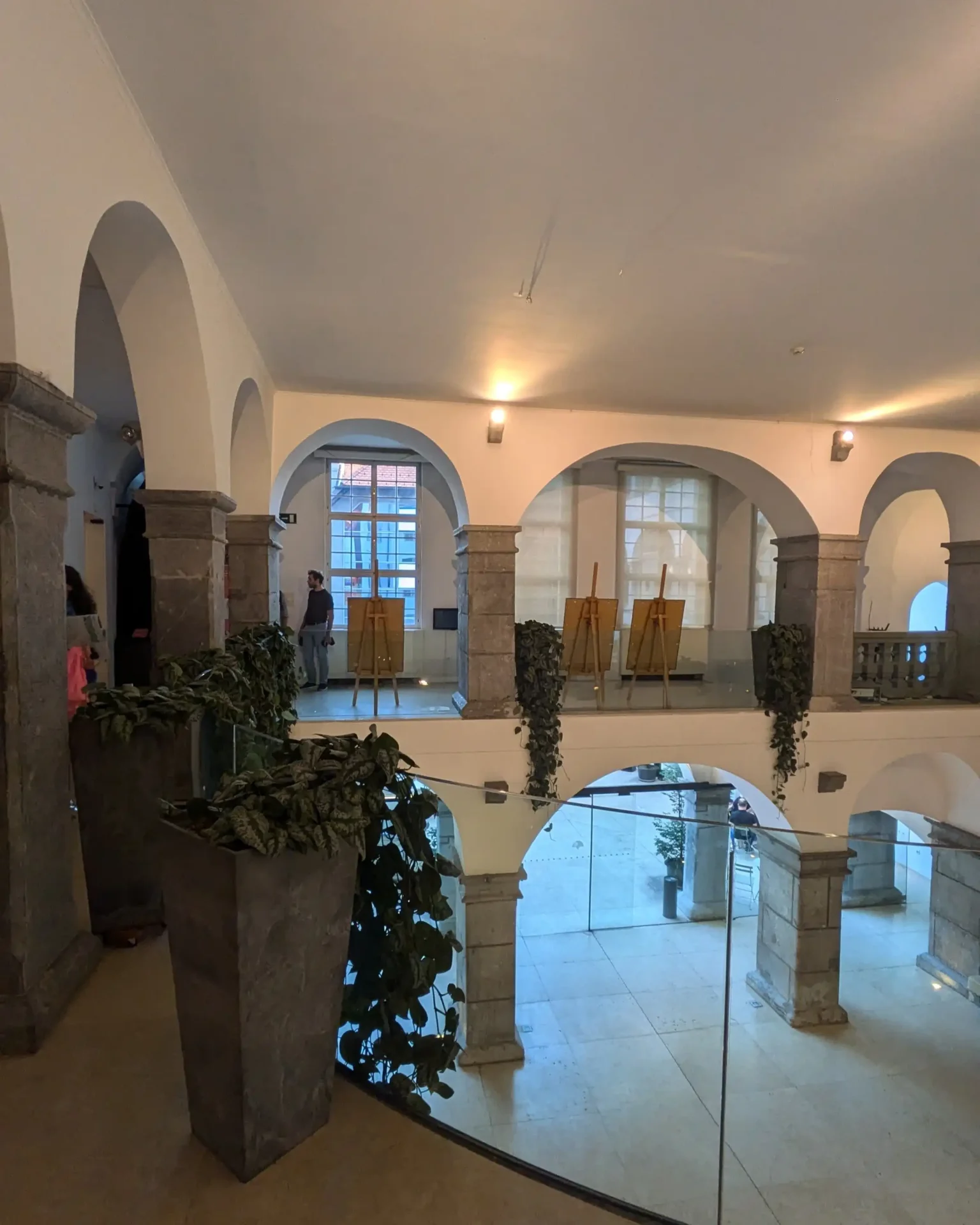
Located in Cekin Castle by Tivoli Park, this museum focuses on Slovenia’s 20th and 21st-century history, exploring political, social, and cultural change. They often house extremely interesting and diverse exhibitions - from photographs of Ljubljana in the early 20th century, to history of health, to exhibitions on chess!
National Museum of Slovenia (Narodni muzej Slovenije)
One of Slovenia’s oldest museums (over 200 years old), it houses rich archaeological collections including the world’s oldest known musical instrument, the 60,000-year-old Neanderthal flute, Roman artifacts, ancient coins, and more.

Science & Specialty Collections
Natural History Museum (Prirodoslovni muzej Slovenije )
This scientific museum is the oldest natural history institution in Slovenia, featuring collections that track biodiversity, geology, and the development of scientific thought, including the woolly mammoth!
Ethnographic Museum of Slovenia (Slovenski etnografski muzej)
Dedicated to material and intangible cultural heritage, this museum offers insights into traditional Slovenian lifestyles, crafts, folk traditions, and cultural practices.
Railway Museum (Železniški muzej)
Showcasing the history of rail transport in Slovenia, this museum displays historic locomotives, rolling stock, and railway memorabilia that trace the development of railroads through the ages.
Computer History Museum Slovenia (Računalniški muzej)
A treasure for tech and gaming enthusiasts, this museum preserves more than 6,500 computing artifacts, including early computers and devices significant to Yugoslav and global computing history; it also hosts events and maker activities.
Slovenian School Museum (Šolski muzej)
One of Slovenia’s oldest specialist museums (est. 1898), dedicated to the history of education and schooling. Its exhibits include historical classrooms and teaching tools, and it often offers interactive experiences that illustrate how schooling evolved over time - if you’re down for a more interactive experience, you can attend a class from the 1800s!
Vila Zlatica
Part of the Museum and Galleries of Ljubljana network, this historic villa once belonged to Ljubljana’s mayor and now offers a glimpse into early 20th-century bourgeois life in the city.
Art & Design Spaces
National Gallery of Slovenia (Narodna galerija)
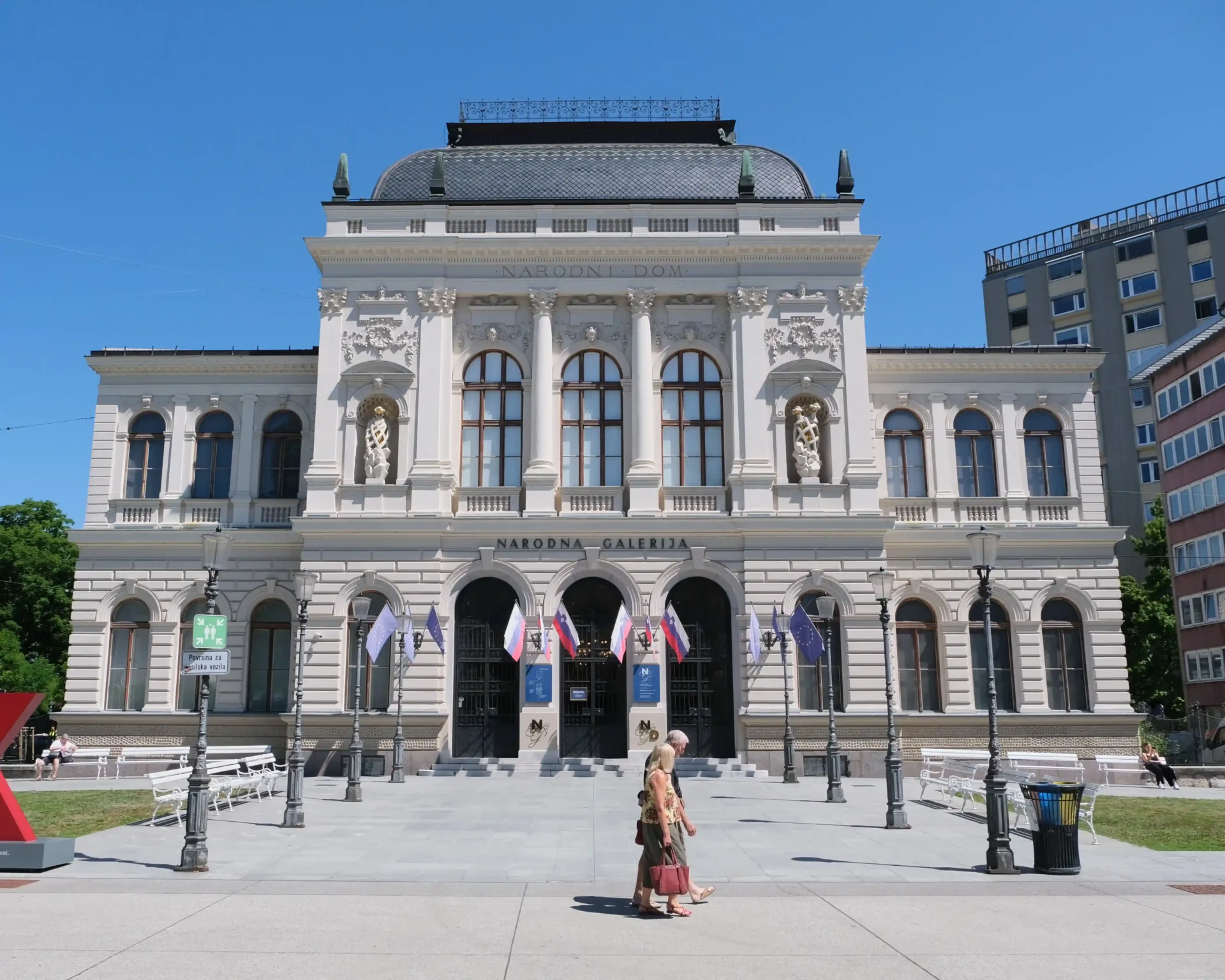
This gallery holds Slovenia’s most important collection of fine art from the medieval period up to the early 20th century, featuring both Slovenian masters and wider European movements. Check out Slovenian famous female artist and her Poletje (Summer) and Kofetarica (Coffee drinker) or get a piece of cake and feel like you’re at an indoor square right by Robbov vodnjak (Fountain of the Three Carniolan Rivers). It’s teh original fountain that used to stand in front of the Town Hall (the one there is a copy)!
Museum of Modern Art (Moderna galerija)
The central institution for 20th- and 21st-century art in Slovenia, with works by Slovenian as well as international artists. Its collection spans painting, sculpture, and multimedia. The building itself is worth seeing as well and don’t miss their lovely cafe either!

MSUM – Metelkova Museum of Contemporary Art
Part of the Museum of Modern Art (Moderna galerija), this branch on Metelkova Street focuses on cutting-edge contemporary art and experimental exhibitions.

International Centre of Graphic Arts (Mednarodni grafični likovni center)
Home to the Ljubljana Biennial of Graphic Arts, the building in Tivoli Park houses a rich collection of prints by major international and Slovenian artists. They also have a lovely cafe on the terrace, which overlooks Jakopičevo sprehajališče. Head inside and sit down on one of the Rex chairs designed by Niko Kralj in the cafe, which are a monument in Slovenian design.
Cukrarna
A contemporary art and culture venue housed in a former sugar refinery. For years the building sat abandoned and was (in)famous for being the final home of Josip Murn and Dragotin Kette, modernist poets who died in the building from tuberculosis in their early 20s. However, the building was completely renovated and reopened a couple of years ago and now hosts exhibitions, performances, and interdisciplinary projects.
MAO – Museum of Architecture and Design (Muzej za arhitekturo in oblikovanje)
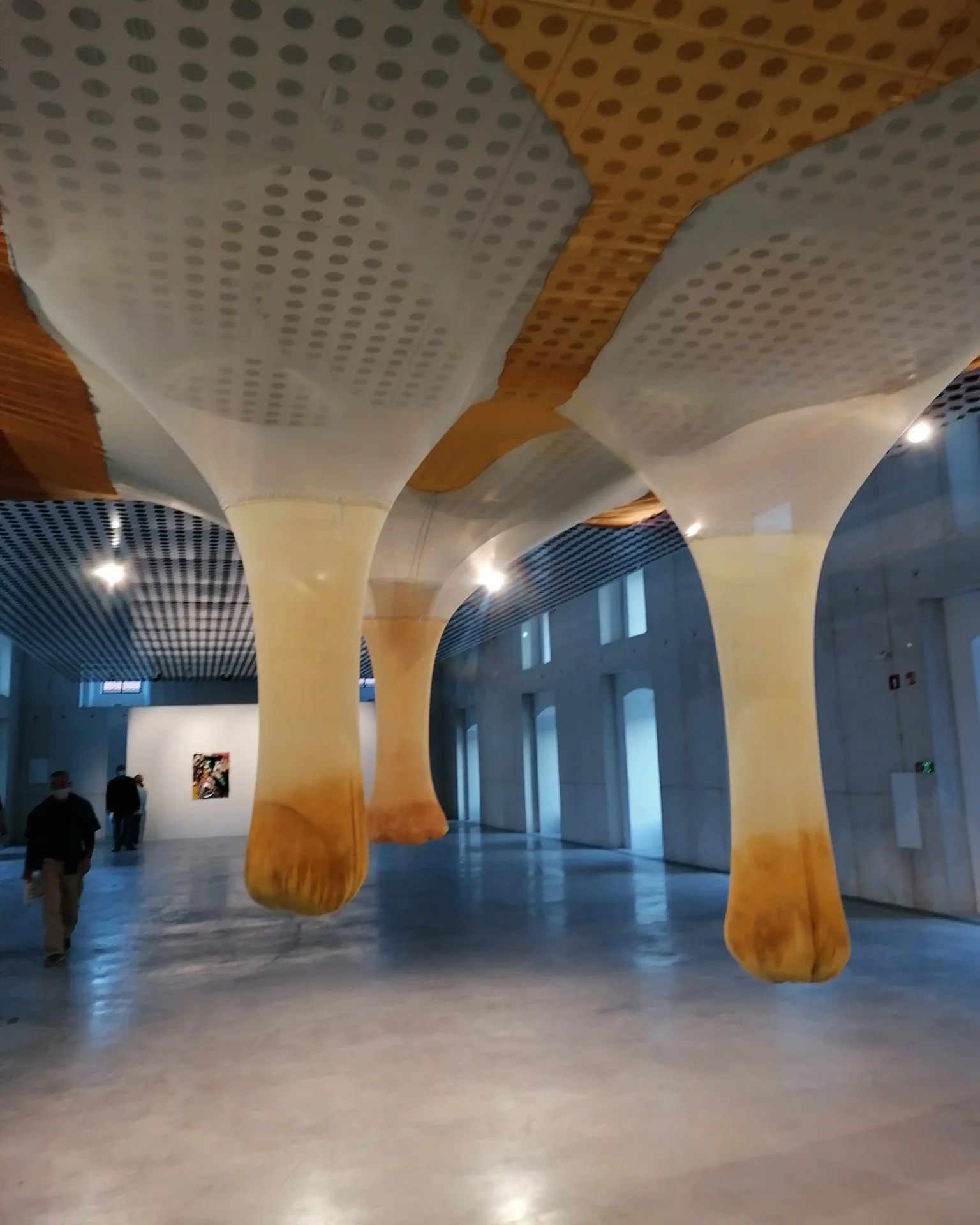
A key venue for architecture, industrial and graphic design, and contemporary design thinking, showcasing both Slovenian and international works
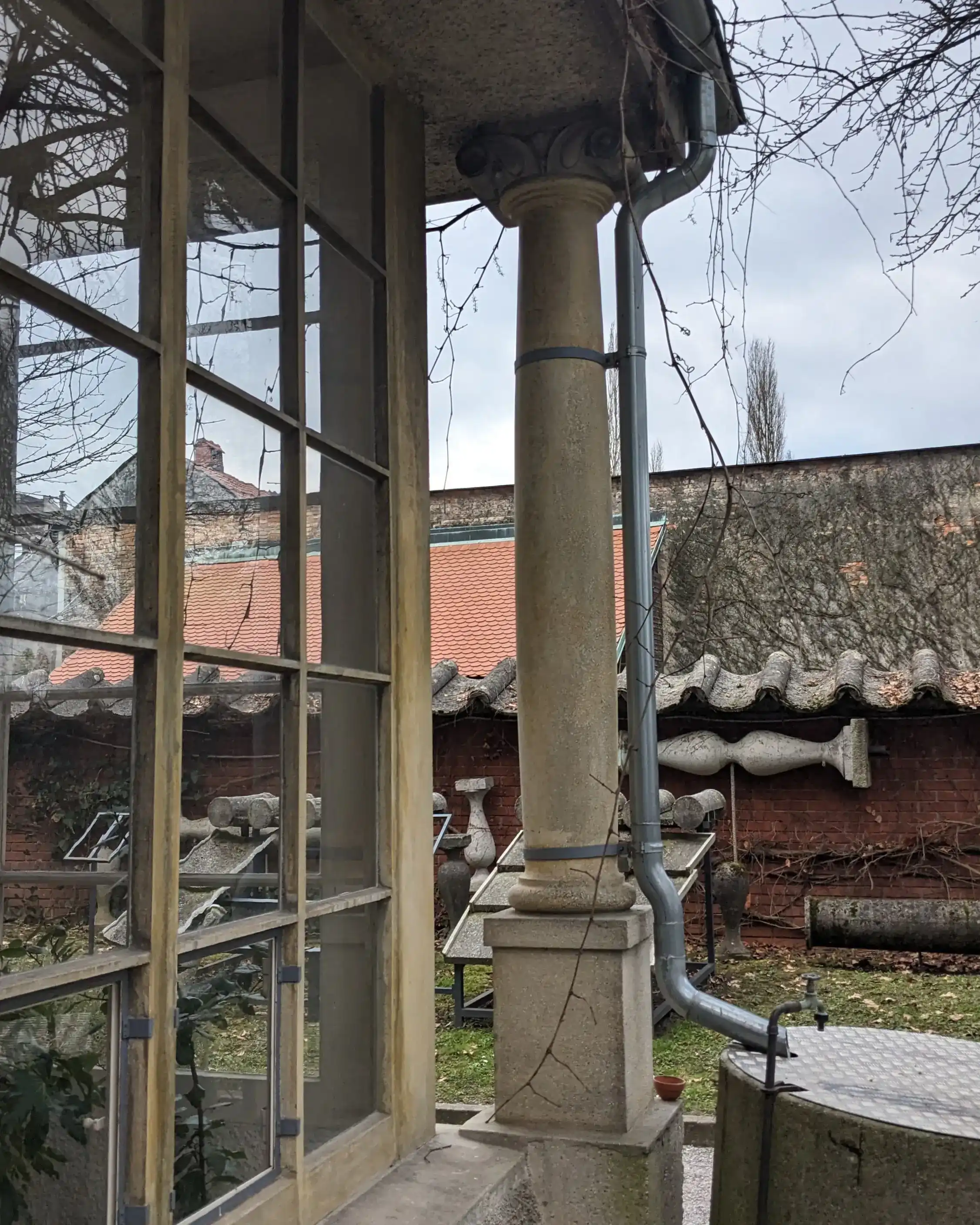
Plečnik House (Plečnikova hiša)
If you’re interested in architecture, Plečnikova hiša is a must visit. The former home and studio of Slovenia’s most famous architect, Jože Plečnik is a work of art in itself. The museum also preserves his living and working spaces and displays plans, models and exhibits on his role in shaping Ljubljana’s unique architectural identity.
For more about Plečnik, read our guide on his works in Ljubljana.