

Exploring Slovenia’s Underground World: The Ultimate Cave Day Trip from Ljubljana
Discovering the Slovenian Seaside – The Perfect Day Trip
9 januarja, 2026
Festivals and Events in Ljubljana: What Happens Throughout the Year
9 januarja, 2026Exploring Slovenia’s Underground World: The Ultimate Cave Day Trip from Ljubljana
If you’ve ever researched what to do in Slovenia, you’ve almost certainly come across its caves - and for good reason. Visiting a cave is an absolutely unmissable experience when exploring the country, and thanks to Slovenia’s compact size, it can easily be done as a day trip from Ljubljana.
A Brief Introduction to Slovenia’s Caves
Slovenia is one of the most important karst regions in the world. In fact, the word karst itself comes from the Kras (Karst) Plateau, a limestone region in southwestern Slovenia that gave its name to this type of geological landscape worldwide. Karst terrain is shaped by water dissolving soluble rocks such as limestone, resulting in caves, underground rivers, sinkholes, and dramatic rock formations.
To date, more than 14,000 caves have been officially registered in Slovenia - and new ones are still being discovered. While the vast majority are not open to the public, there is an impressive selection of show caves to choose from, each offering a very different experience.
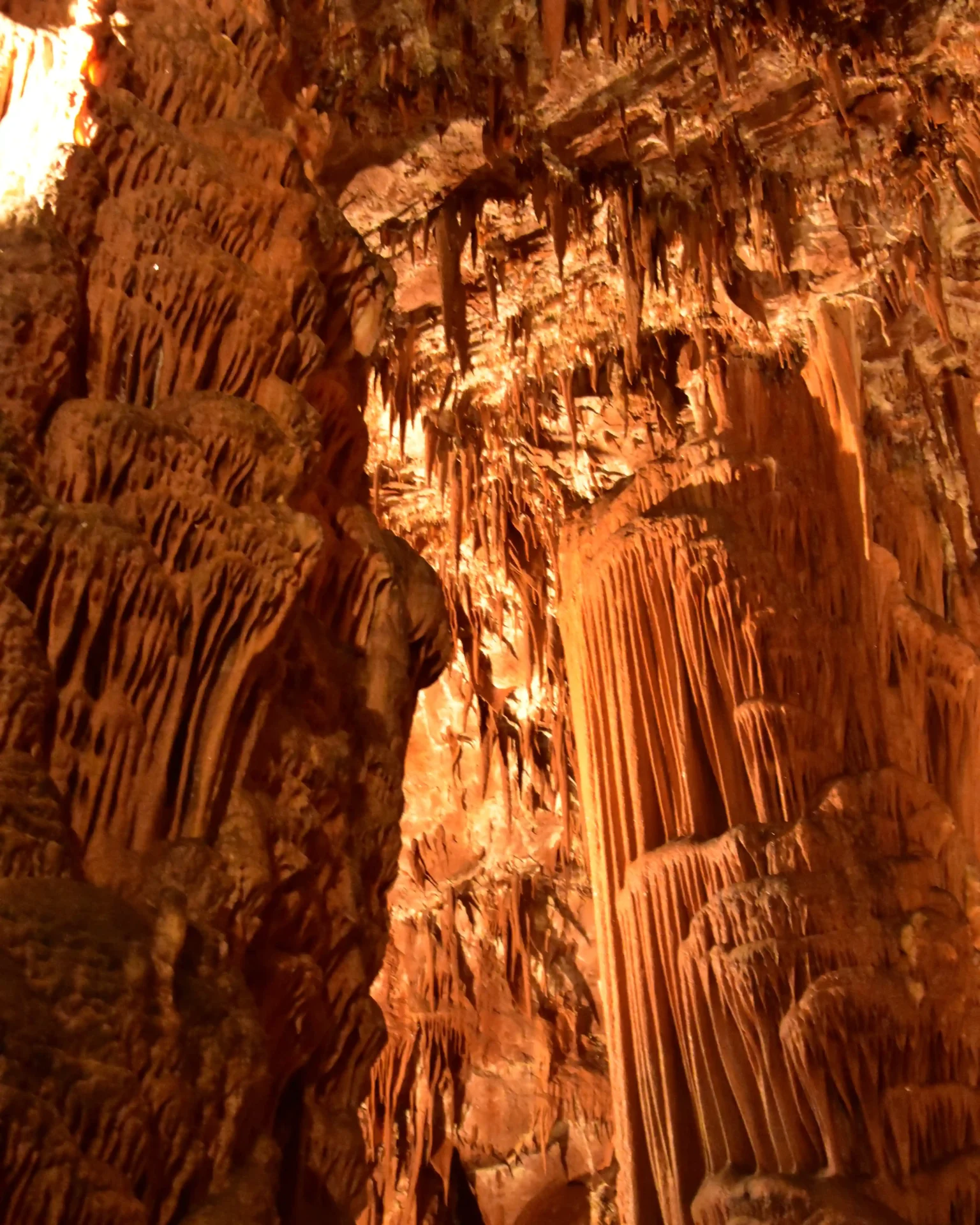
What makes karst caves so breathtaking are their formations: towering stalactites hanging from ceilings, stalagmites rising from the ground, massive chambers, and underground rivers. These structures were formed over hundreds of thousands to millions of years, making every visit feel like stepping into another world.
Below is one of the most popular and well-rounded day trips from Ljubljana if you’d like to experience Slovenia’s underground wonders.
Postojna Cave & Predjama Castle: A Classic Slovenian Day Trip
Postojna Cave
Start your day by driving from Ljubljana to Postojna, which takes about one hour. Keep in mind that this route leads toward the Slovenian coast, so traffic can be heavy during the summer months and weekends.
Postojna Cave is Slovenia’s most visited attraction and one of the largest show caves in Europe. The experience is particularly well suited for families and first-time cave visitors. A unique highlight is the electric train that takes you deep into the cave system, followed by a guided walking tour through enormous underground halls.
The cave is safe, well-lit, and interactive, but dressing appropriately is essential. The temperature inside remains around 10°C year-round, and the environment is damp, so warm clothing and sturdy shoes are highly recommended - even in summer.
One of the most fascinating inhabitants of Postojna Cave is the človeška ribica, also known as the olm or “dragon baby.” This rare, pale, cave-dwelling amphibian is native to the Dinaric Karst and can live for decades in complete darkness. You can learn more about it here.
Predjama Castle
After visiting the cave, continue your journey to Predjama Castle, located just a short drive away. This dramatic Renaissance castle is built directly into a towering rock cliff and holds the title of the largest cave castle in the world.
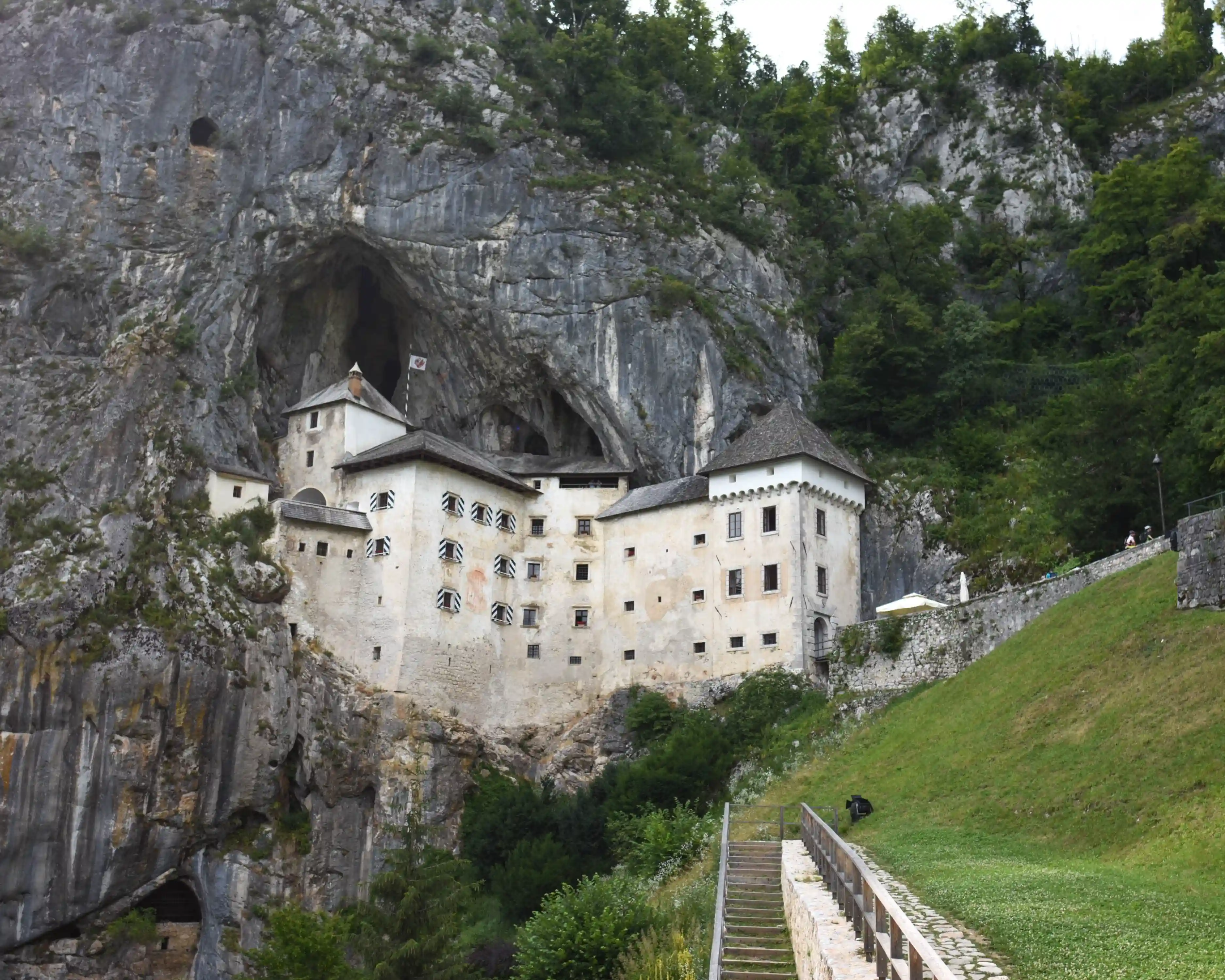
Predjama Castle once served as a nearly impenetrable fortress, thanks to its strategic position. Hidden tunnels behind the castle allowed supplies to be brought in during sieges, making attacks from the rear virtually impossible.
While exploring the castle, you’ll learn about the life of Erazem of Predjama, a rebellious nobleman often described as a Slovenian Robin Hood. Legend has it that he was ultimately betrayed and killed by a cannonball while using the castle latrine - a detail guides never fail to point out.
Fun fact for film and TV fans: The Witcher series was partially filmed at Predjama Castle, adding another layer of modern pop-culture appeal to this already remarkable site.
Škocjan Caves & Rakov Škocjan: A Wilder Side of Slovenia’s Karst World
If you’re looking for a cave experience that feels more dramatic, raw, and less touristy, this day trip is an exceptional choice. Combining the Škocjan Caves, a UNESCO World Heritage Site, with the natural park of Rakov Škocjan offers a deep dive into Slovenia’s karst landscape - both underground and above ground.
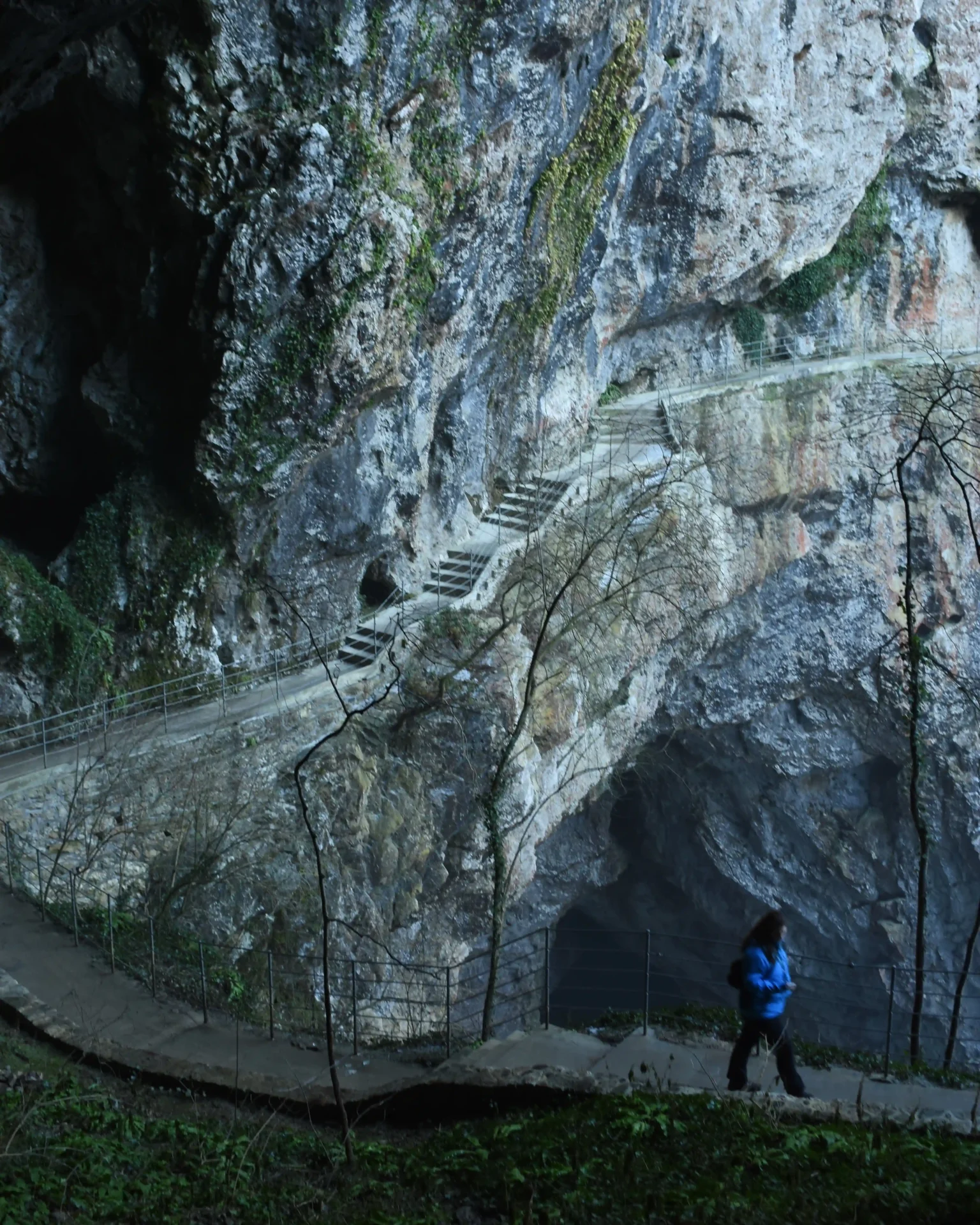
Škocjan Caves (Škocjanske jame)
The Škocjan Caves are among the most impressive cave systems in Europe and are protected as a UNESCO World Heritage Site for their outstanding universal value. What sets them apart from other caves in Slovenia is their sheer scale and dramatic atmosphere.
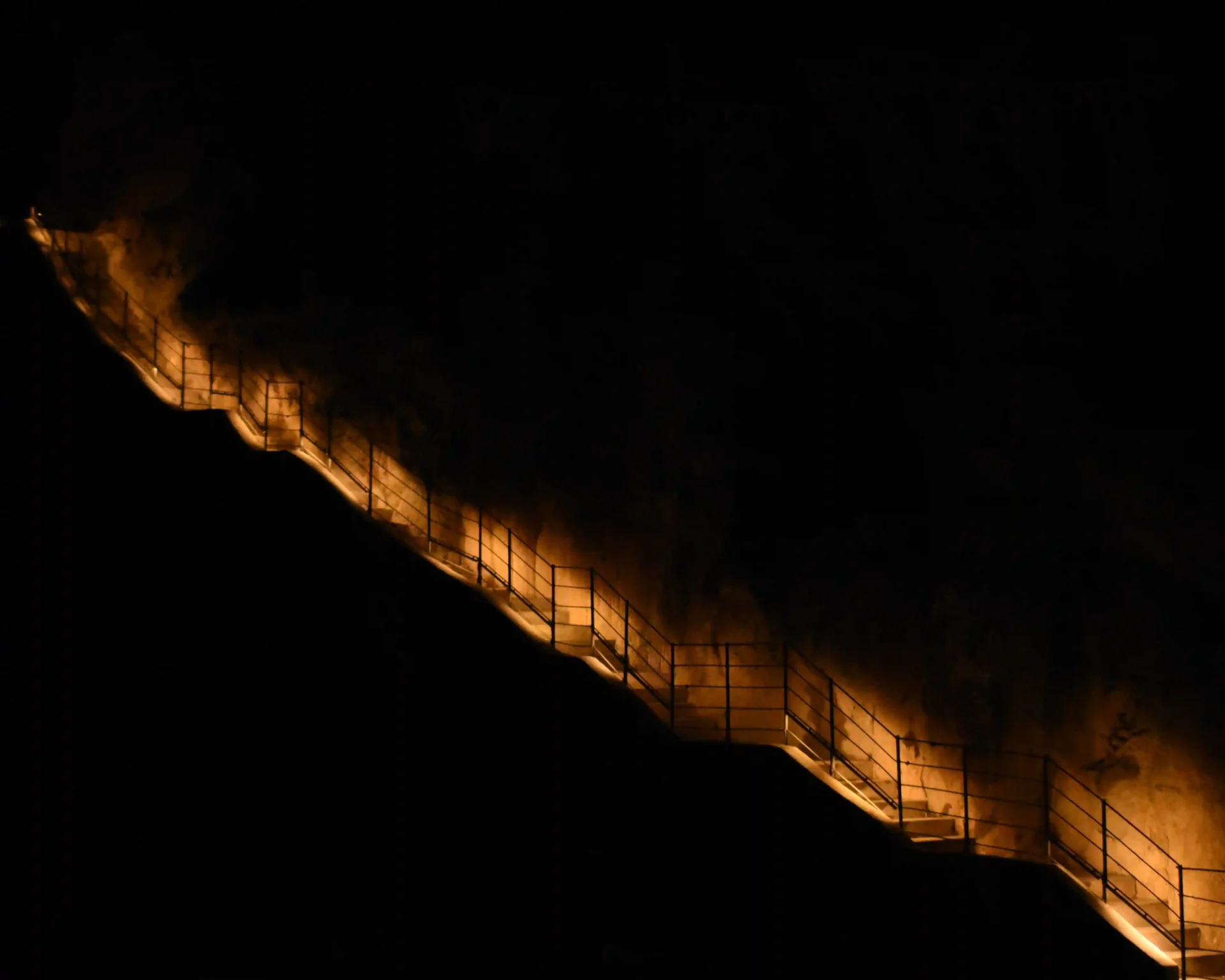
This vast cave system features enormous underground chambers, towering cave walls, and the powerful Reka River, which flows through the caves before disappearing underground on its way to the Adriatic Sea. Walking through Škocjan feels almost otherworldly - you’ll cross a bridge suspended high above the river canyon inside the cave, offering views that are both breathtaking and slightly humbling.
Compared to Postojna Cave, Škocjan is:
- Less commercial and more natural
- More physically demanding (stairs and longer walking distances)
- Better suited for adults or older children
The temperature inside is similar to other caves, around 10–12°C, and the cave can feel cooler due to airflow and humidity. Proper footwear is essential, as paths can be damp and uneven.
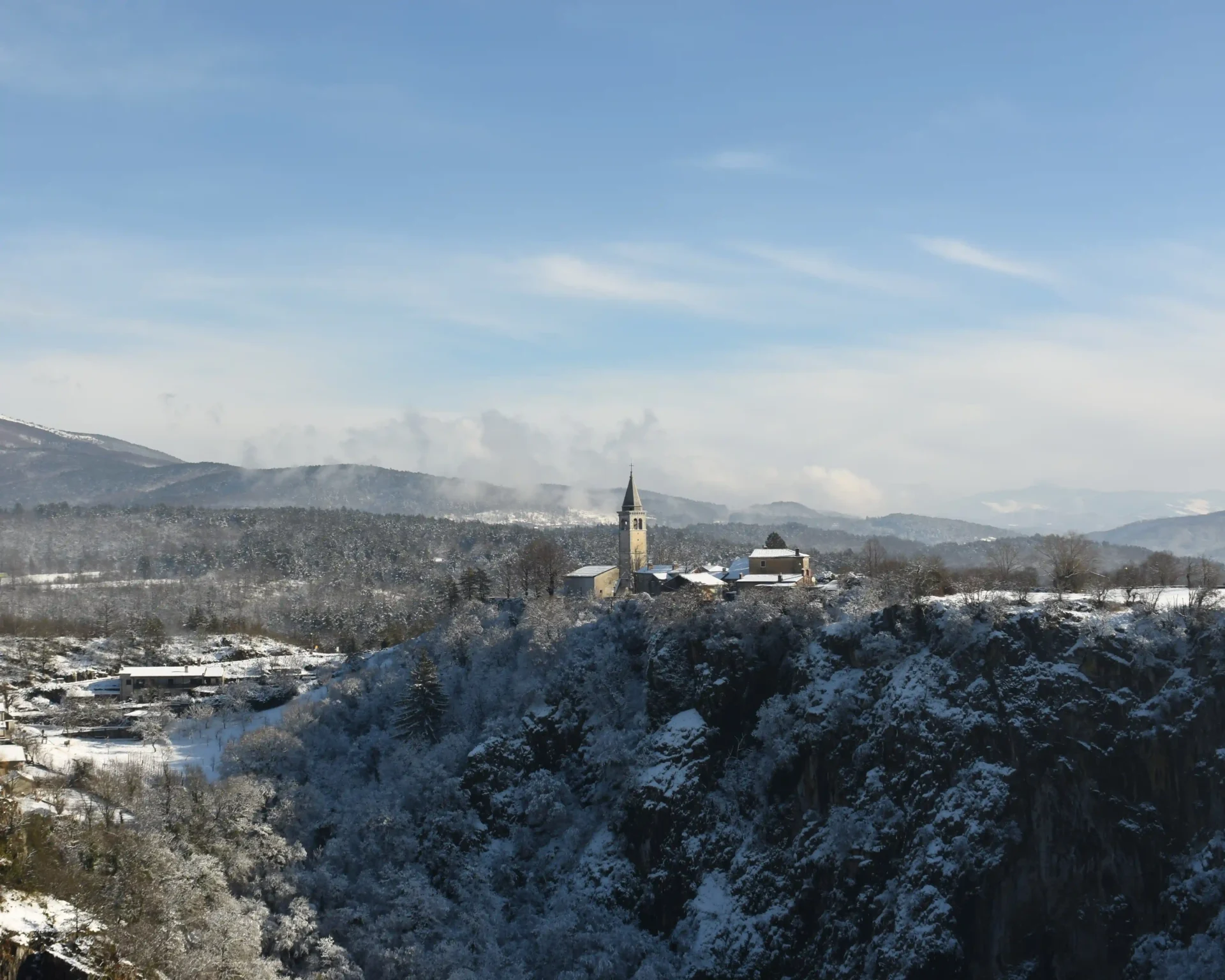
Rakov Škocjan Landscape Park
After exploring Škocjan, continue your journey with a scenic drive of just over 30 minutes to Rakov Škocjan, one of Slovenia’s most beautiful and underrated natural parks.
Rakov Škocjan is a unique karst valley where an underground river has collapsed parts of the cave ceiling, creating a stunning open-air landscape filled with forests, springs, caves, and dramatic rock formations. It’s the perfect complement to Škocjan, as it allows you to see how karst phenomena shape the land above ground.
Two highlights you absolutely shouldn’t miss:
- The Large Natural Bridge (Veliki naravni most) – a monumental stone arch formed from a collapsed cave ceiling, rising impressively above the valley floor.
- The Small Natural Bridge (Mali naravni most) – more delicate but equally picturesque, offering beautiful views and great photo opportunities.
Well-marked walking trails guide you through the park, making it ideal for a relaxed hike surrounded by nature. The area is peaceful, far less crowded than Slovenia’s major attractions, and perfect if you want to slow down and truly connect with the landscape.